Brushing is the benchmark, but training comes first
Daily plaque control is the goal, and mechanical brushing remains the benchmark for home care. With a cat, however, the first success is not a perfect two-minute brush. It is voluntary, calm acceptance of a hand near the face, a lifted lip and brief contact with the outer tooth surface. Wipes and toys can support the routine, but they should be presented as additions rather than silent replacements for brushing or veterinary dental examinations.
What each option can and cannot do
| Option | Best role | Limit |
|---|---|---|
| Soft finger brush | Direct mechanical contact on the outer tooth surfaces | Requires gradual handling training and a very light touch |
| Dental wipe | Short introductory contact and accessible outer surfaces | Does not reach every contour as precisely as a brush |
| Dental toy | Enrichment and chewing activity | Effect varies; it does not examine gums or replace brushing |
| Veterinary cleaning | Assessment and professional treatment when needed | Not replaced by any home product |
A seven-step introduction without restraint battles
Train when the cat is relaxed and stop before irritation. Begin by rewarding a one-second touch to the cheek. Over several sessions, lift the lip, touch one canine with a clean finger, introduce a pet-safe paste for taste, then add the soft brush. Focus on the outer surfaces because plaque accumulates rapidly there and they can be reached without forcing the mouth open. One calm quadrant is more useful than a complete session that creates avoidance.
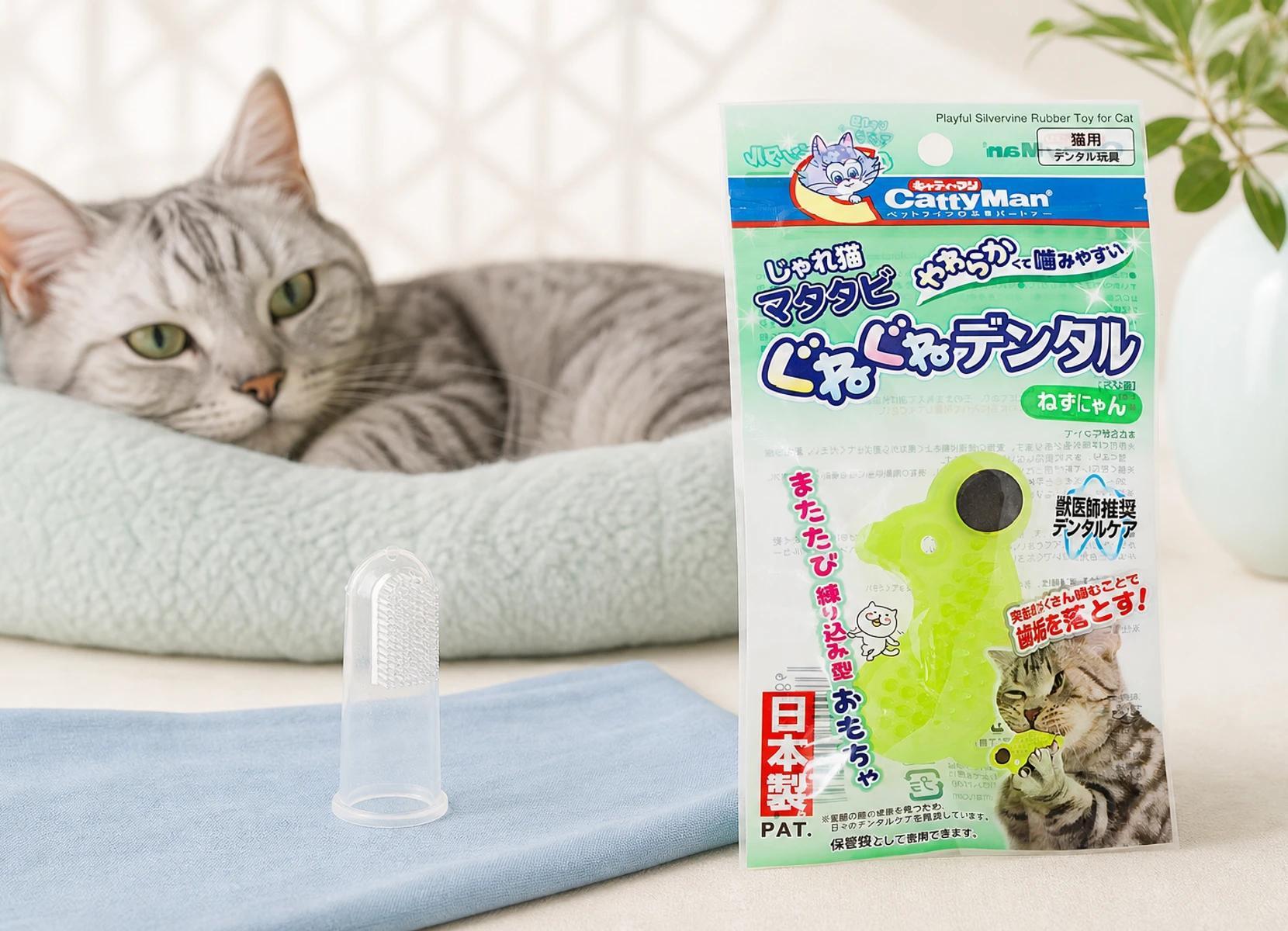
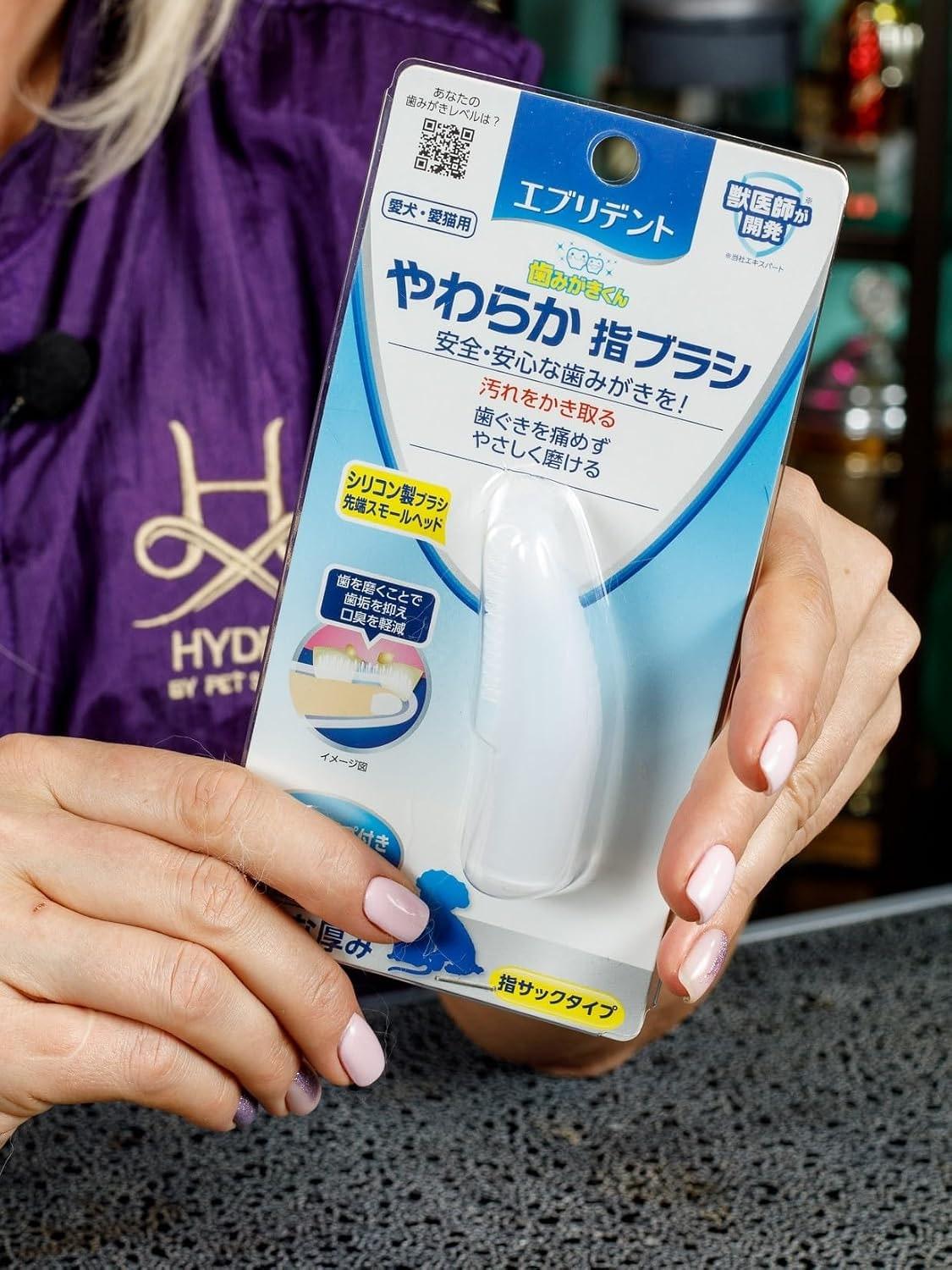
A soft silicone finger brush for the first mechanical routine
Japan Premium Pet
Japan Premium Pet, Silicone Finger Toothbrush for Dogs & Cats, Soft & Safe, Easy Pet Dental Care, Prevents Plaque & Tartar
View productWhere dental wipes fit
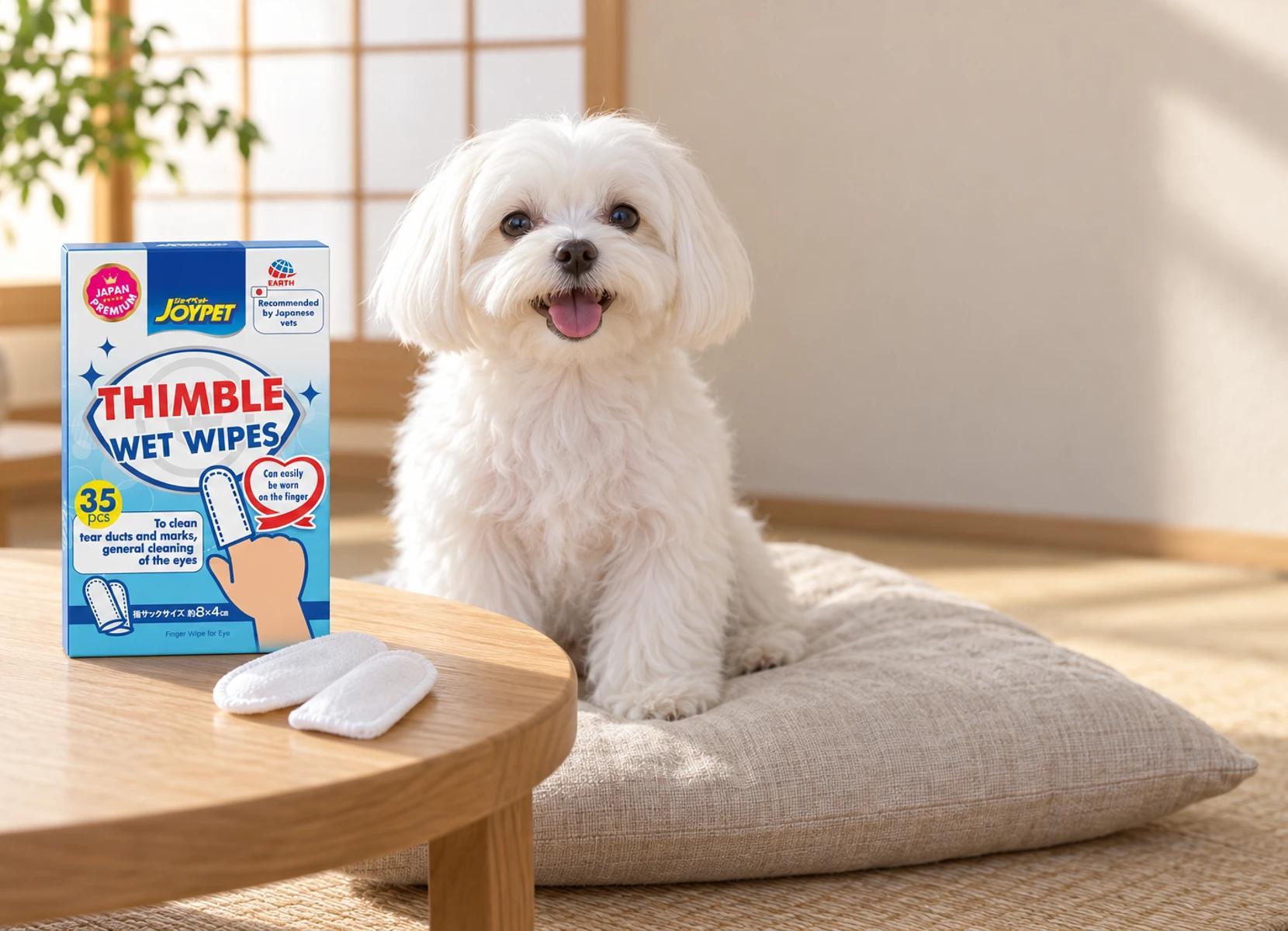
A dental wipe can be easier to control during early handling because it sits directly over the finger. Use a fresh section, keep contact brief and never force the cloth behind the teeth. Wipes may support plaque removal on accessible surfaces, but evidence belongs to the specific product and method. Choose only products intended for pets, and never use human toothpaste because ingredients and swallowing expectations differ.
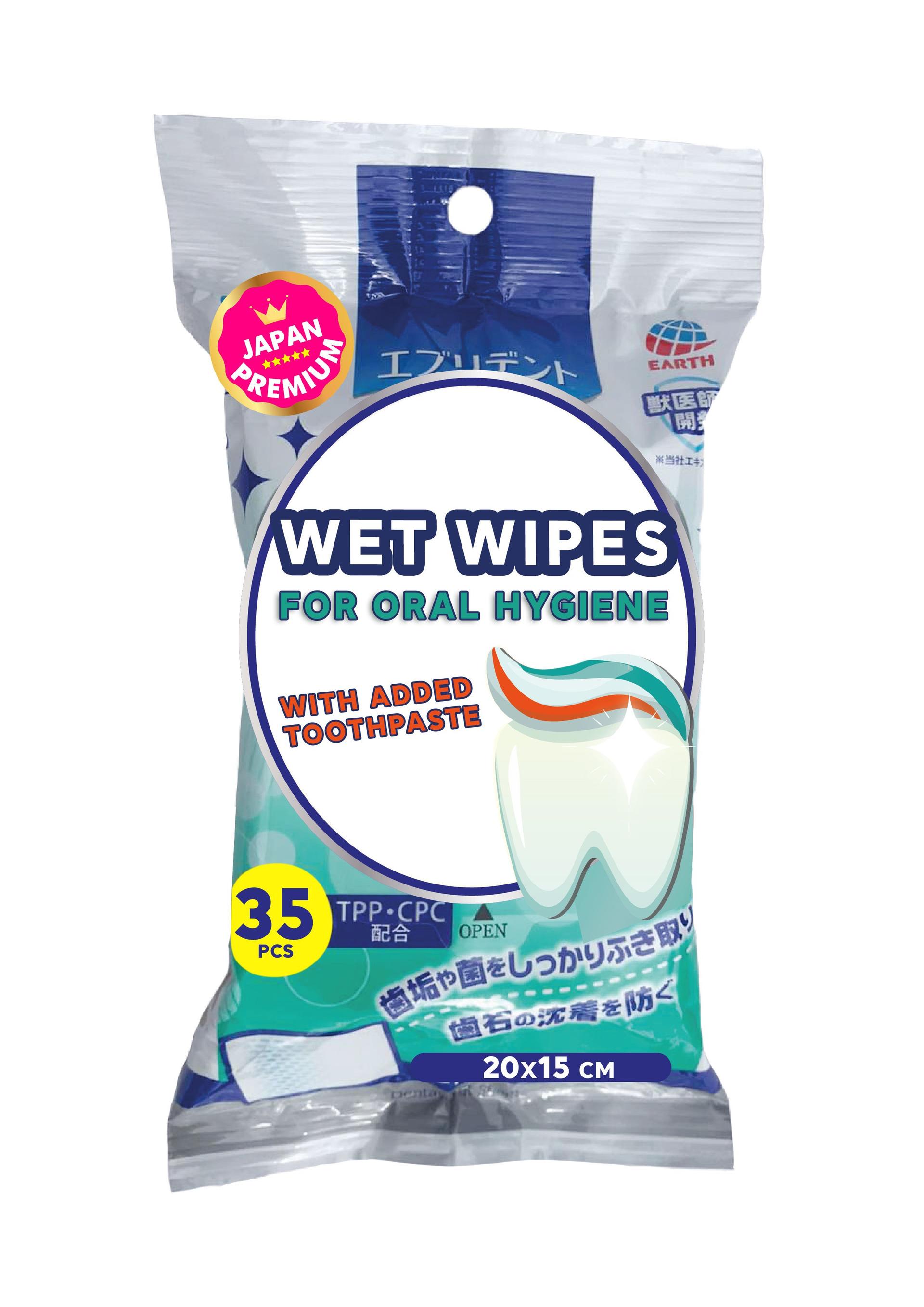
Dental wipes for accessible tooth surfaces
Japan Premium Pet
Wet wipes for dogs and pets impregnated with toothpaste to remove dental plaque and odor for dogs and cats, 35 pcs, 20x15 cm
View productDental toys are enrichment, not a diagnosis
Chewing toys can add texture, play and routine engagement. Select a size and construction appropriate for the cat, supervise the first sessions and remove damaged toys. A toy marketed for dental use does not prove that every cat will chew it in a clinically useful way. Treat it as enrichment that may complement, not replace, deliberate plaque control.
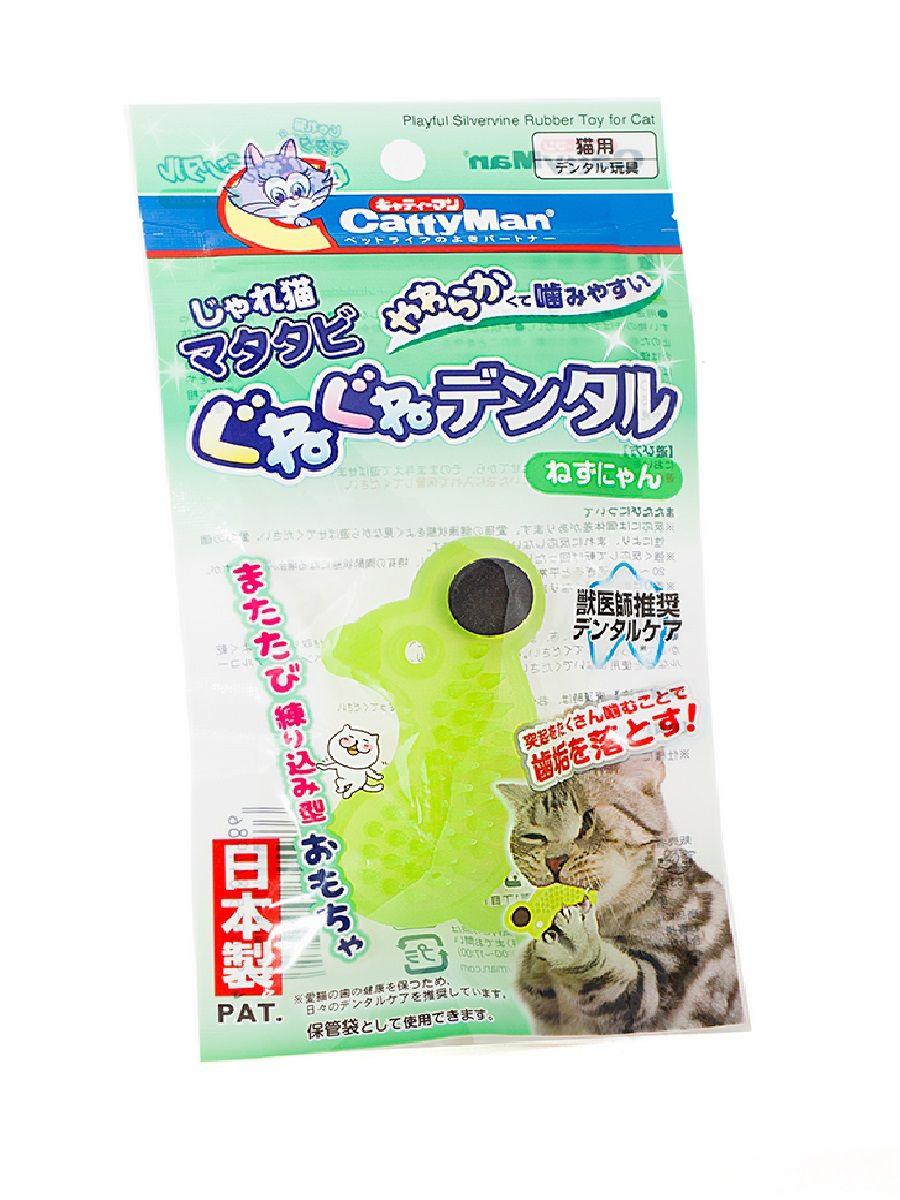
Matatabi mouse toy for supervised chewing and play
Stop and arrange a veterinary examination
A realistic weekly build-up
- Days 1–2: reward calm cheek contact.
- Days 3–4: lift the lip for one second and release.
- Days 5–6: touch one outer tooth with a clean finger or wipe.
- Day 7 onward: add a soft pet brush for a few strokes.
- Increase duration only while the cat remains relaxed.
Frequently asked questions
How often should I brush my cat’s teeth?
Daily home care is the ideal target because plaque reforms quickly. Build toward it gradually rather than forcing a full session immediately.
Can dental wipes replace a toothbrush?
They can help with accessible surfaces and training, but a brush gives more deliberate mechanical contact.
Does dry food clean a cat’s teeth?
Ordinary dry food should not be assumed to clean teeth. Dental diets or products need evidence for their specific plaque or tartar claim.
When should a cat have a professional dental cleaning?
A veterinarian should decide after examining the mouth. Many adult and older cats need professional treatment in addition to home care.
Sources
- Veterinary Oral Health Council — home dental care — https://vohc.org/
- VOHC — accepted products for cats — https://vohc.org/accepted-products/
- WSAVA Global Dental Guidelines — https://wsava.org/global-guidelines/dental-guidelines/
- Cornell Feline Health Center — feline dental disease — https://www.vet.cornell.edu/departments-centers-and-institutes/cornell-feline-health-center/health-information/feline-health-topics/feline-dental-disease
Find the right care products
Compare Japan Premium Pet products selected for this routine.
View products