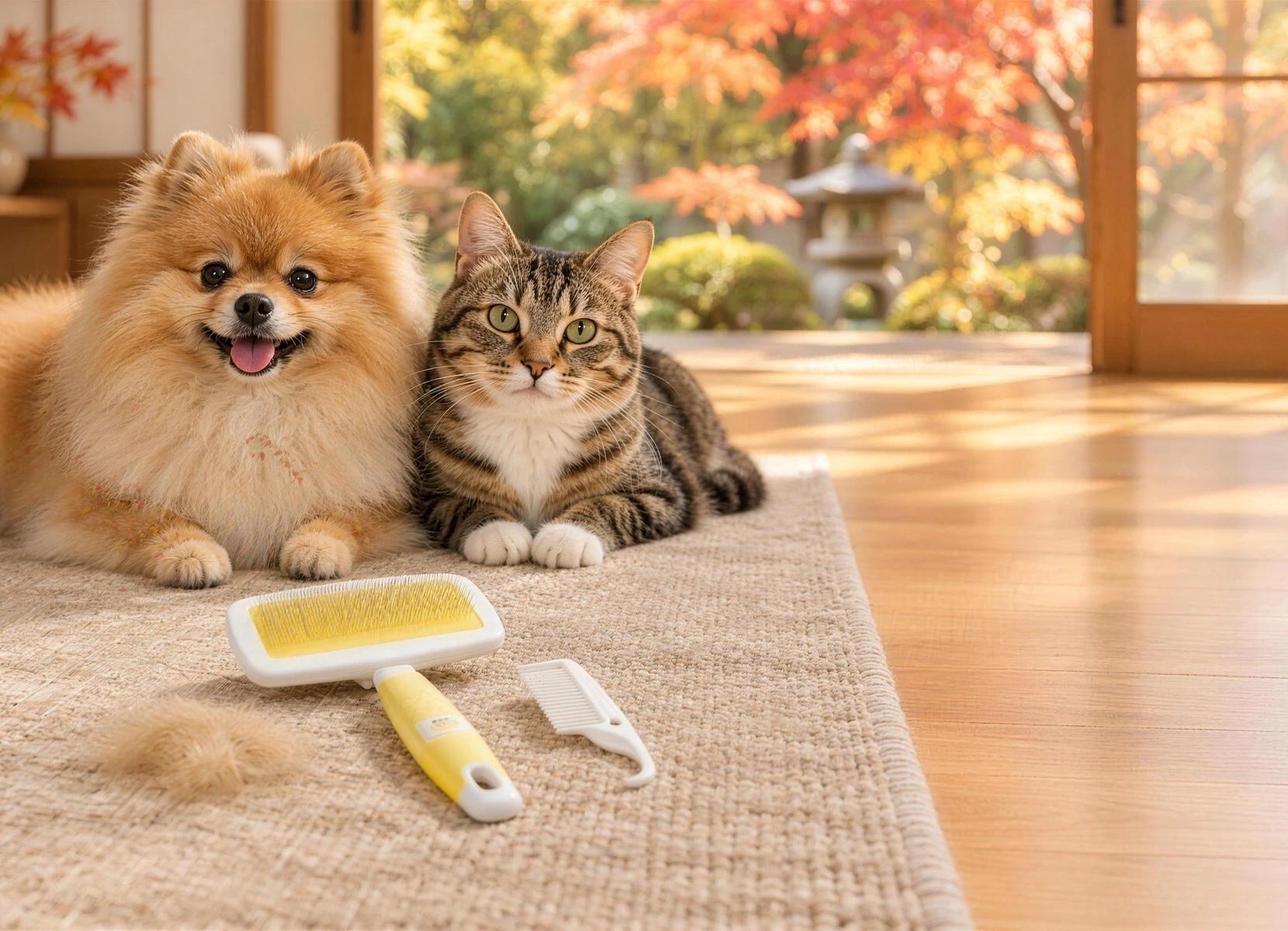

Why cats get hairballs and what actually helps
When a cat grooms, the tiny backward-facing barbs on its tongue pull out loose hair, and the cat swallows it. Hair cannot be digested. Most of it passes through the gut and leaves with the faeces, but some collects in the stomach and is eventually brought up as a hairball. The measure with the clearest effect is regular brushing, because every hair you remove is a hair your cat does not swallow. A suitable diet and enough moisture are useful additions. An occasional hairball is common, especially in long-haired cats and during the moult. Frequent hairballs, particularly in short-haired cats, can point to over-grooming or a digestive problem, and a cat that retches without bringing anything up, stops eating or seems lethargic needs a vet.
Hairball, vomiting or something else?
| What you see | What it usually is | What to do |
|---|---|---|
| A sausage-shaped wad of hair after hacking and gagging | A typical hairball | Note the date and brush more often; a single hairball in an otherwise lively cat is not an emergency |
| Hairballs several times a month in a short-haired cat | Possible over-grooming because of itching, fleas or stress, or a gut problem | Check skin and coat for fleas and scabs and book a vet appointment |
| Food or foam with little or no hair | Vomiting rather than a hairball | If it happens repeatedly or with other signs, call the vet |
| Undigested food in a tube shape soon after eating | Regurgitation from the food pipe rather than vomiting | If it happens often, have it checked |
| Repeated retching without result, no appetite, constipation | Possible blockage | See a vet the same day |
Why some cats get more hairballs than others
Long-haired breeds such as Persians and Maine Coons swallow more hair simply because they carry more of it. Moulting plays a part too: cats moult all year round to varying degrees, many shed noticeably more in spring and autumn, and indoor cats often lose a little hair every month. A third factor is excessive grooming. Cats with itchy skin, fleas, allergies or pain, or cats under stress, lick themselves far more than usual and swallow correspondingly more hair. Opinions differ on how often hairballs are still normal. The Cornell Feline Health Center does not consider a hairball every week or two unusual in itself, while a 2013 review in the Journal of Feline Medicine and Surgery argues that frequent hairballs in short-haired cats usually indicate an underlying problem. If your short-haired cat regularly brings up hair, it is worth looking for the cause rather than only treating the symptom.
Hairball care wet food pouch with sardine and Pacific tuna

Brushing: the measure with the clearest effect
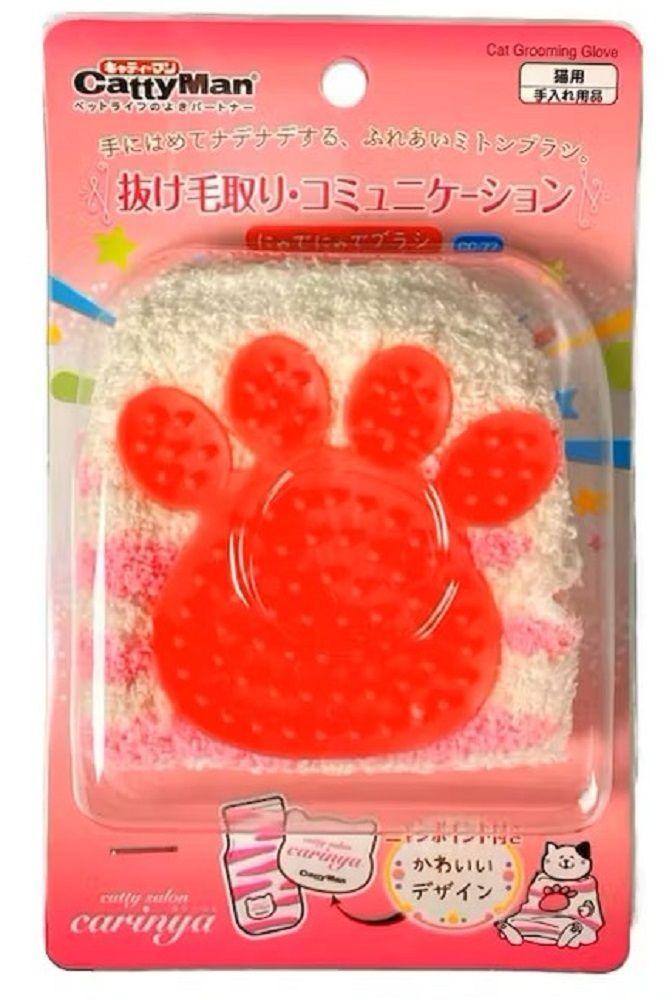
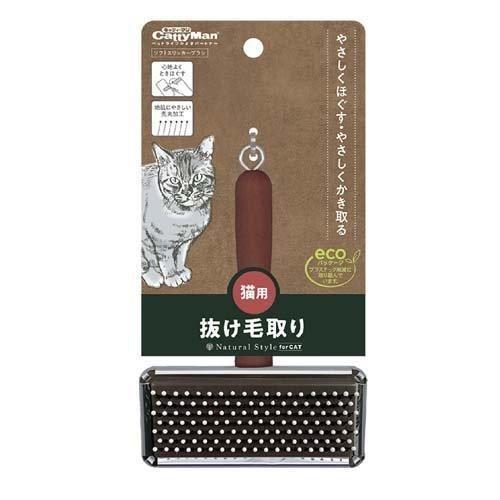
Your cat removes a lot of hair itself, but if you groom it daily during the moult you can take out most of the loose hair before it is swallowed. As a rule of thumb, brush short-haired cats at least once or twice a week and long-haired cats daily, and brush every cat daily while it is shedding heavily. Keep sessions short and pleasant: start where your cat likes being stroked, such as the cheeks and back, stop before it becomes restless and finish with a treat. Never hold a cat down to groom it. A grooming glove suits short coats and cats that dislike brushes, a slicker with soft, coated pins reaches the undercoat, and a comb helps to loosen tangles in long coats before they mat. Use the session to check the skin for fleas, flea dirt, scabs or bald patches.
Grooming glove with silicone nubs for short coats and brush-shy cats
Food, fibre and moisture
Some cat foods and treats are formulated to help hair pass through the gut, usually with added fibre. They can be a useful building block, but they do not replace brushing, and there is little independent research on how well hairball diets work. Make sure the overall diet is complete and that your cat takes in enough fluid, for example with part of the ration as wet food. Hairball pastes and oils act like mild laxatives. Use them only after talking to your vet, especially if your cat is often constipated, and do not give them for long periods on your own. If hairballs stay frequent despite good grooming, have your vet look for skin disease, parasites, food intolerance or a digestive problem.
Soft-tipped slicker for sensitive cats with dense undercoat
Retching without result needs a vet
A routine against hairballs
- Brush short-haired cats at least once or twice a week and long-haired cats daily.
- Brush every cat daily during heavy moulting in spring and autumn.
- Keep sessions short and positive, and end with a treat.
- Comb out tangles in long coats behind the ears, under the legs and on the belly before they mat.
- Check the skin for fleas, flea dirt, scabs and bald patches while brushing.
- Feed a complete diet with enough fibre and part of the ration as wet food.
- Write down the dates of hairballs for a few weeks to see whether the routine works.
- Book a vet visit if hairballs stay frequent despite regular brushing.
Frequently asked questions
How often is a hairball normal?
An occasional hairball, for example during the moult, is common. Hairballs several times a month, especially in a short-haired cat, are worth discussing with your vet, because they can point to over-grooming or a digestive problem.
Do indoor cats need brushing?
Yes. Indoor cats often moult a little all year round, so regular brushing removes loose hair before it is swallowed. Long-haired indoor cats need daily brushing.
Do hairball pastes work?
They can help hair pass, but they act like mild laxatives and are not meant for long-term use without advice. Regular brushing is the basis; use pastes only after talking to your vet.
My short-haired cat keeps bringing up hairballs. Why?
Short-haired cats rarely need to bring up much hair. Frequent hairballs can be caused by itching, fleas, allergies, stress or a gut problem that slows digestion, so have your vet look for the cause.
When is a hairball an emergency?
When your cat retches repeatedly without result, stops eating, is constipated, seems lethargic or has a painful belly. These can be signs of a blockage and need a vet the same day.
Sources
- Cornell Feline Health Center — Danger: Hairballs — https://www.vet.cornell.edu/departments-centers-and-institutes/cornell-feline-health-center/health-information/feline-health-topics/danger-hairballs
- Cannon, Journal of Feline Medicine and Surgery (2013) — Hair balls in cats: a normal nuisance or a sign that something is wrong? — https://pmc.ncbi.nlm.nih.gov/articles/PMC10816490/
- Merck Veterinary Manual — Vomiting in cats (managing hairballs) — https://www.merckvetmanual.com/cat-owners/digestive-disorders-of-cats/vomiting-in-cats
- International Cat Care — Grooming your cat — https://icatcare.org/articles/grooming-your-cat
- Japan Premium Pet cat care range — https://japanpremium.eu/de/categories/hygiene
Find the right care products
Compare Japan Premium Pet products selected for this routine.
View products