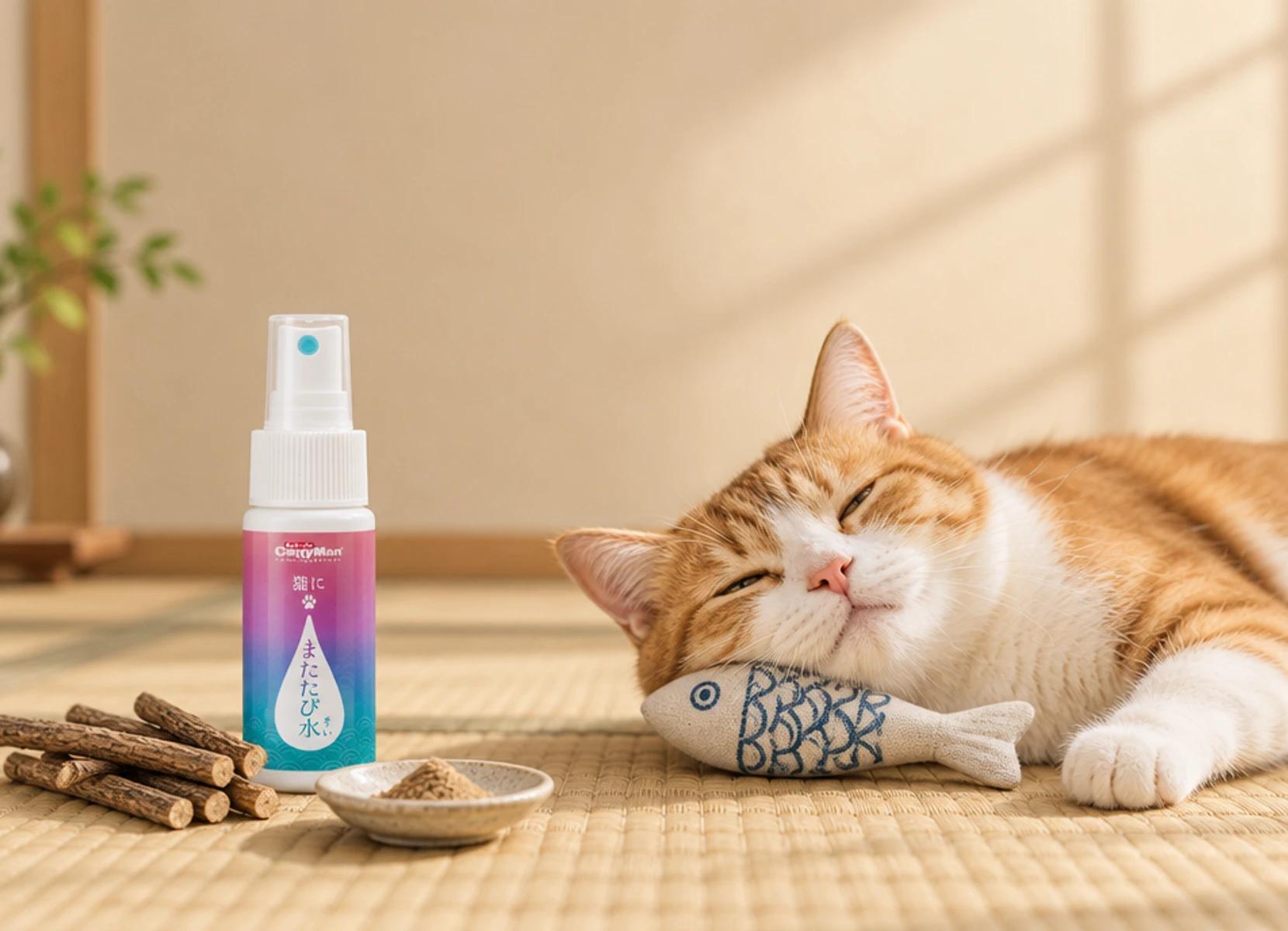

Switch slowly, and mixing wet and dry is fine
The safest way to change a cat’s food is gradually, over roughly one to two weeks: mix a small share of the new food into the familiar one and increase it step by step while the old food decreases. Cats react to sudden changes in taste, texture and smell, and some refuse a new food outright. Combining wet and dry food is perfectly acceptable, and most cat owners feed both. What matters is that the main diet is complete and suited to the cat’s life stage, that the total daily amount stays right and that fresh water is always available. A cat that stops eating during a switch needs attention quickly, not patience.
Wet and dry food at a glance
| Feature | Wet food | Dry food |
|---|---|---|
| Water content | About 75 percent or more | About 6 to 10 percent |
| Energy per gram | Roughly 0.8 to 1.5 kcal | Typically more than 3 to 4 kcal |
| Strengths | Adds water to the diet, fills the bowl with fewer calories, very palatable for most cats | Convenient, keeps in the bowl, works in puzzle feeders |
| Watch out for | Spoils once opened or served; refrigerate leftovers and use them promptly | Easy to overfeed because portions look small; the cat must drink enough |
| Often useful for | Cats that drink little or need to watch their weight, after talking to the vet | Cats that graze, food puzzles and cats that need energy in a small volume |
A switching plan your cat can accept
Start with a mix of about one quarter new and three quarters familiar food, then move to half and half, then three quarters new, and finally the new food alone. Give each stage a few days, and stay longer at a stage if the cat eats less, picks out the new pieces or has softer stools. When you add wet food, serve it at room temperature, because flavour is weaker when food is cold, and use a wide, shallow dish so the whiskers do not touch the rim. Change one thing at a time: a new food, a new bowl and a new feeding place in the same week make it hard to know what the cat is reacting to. Cats that learned one texture as kittens may simply need more time to accept another.
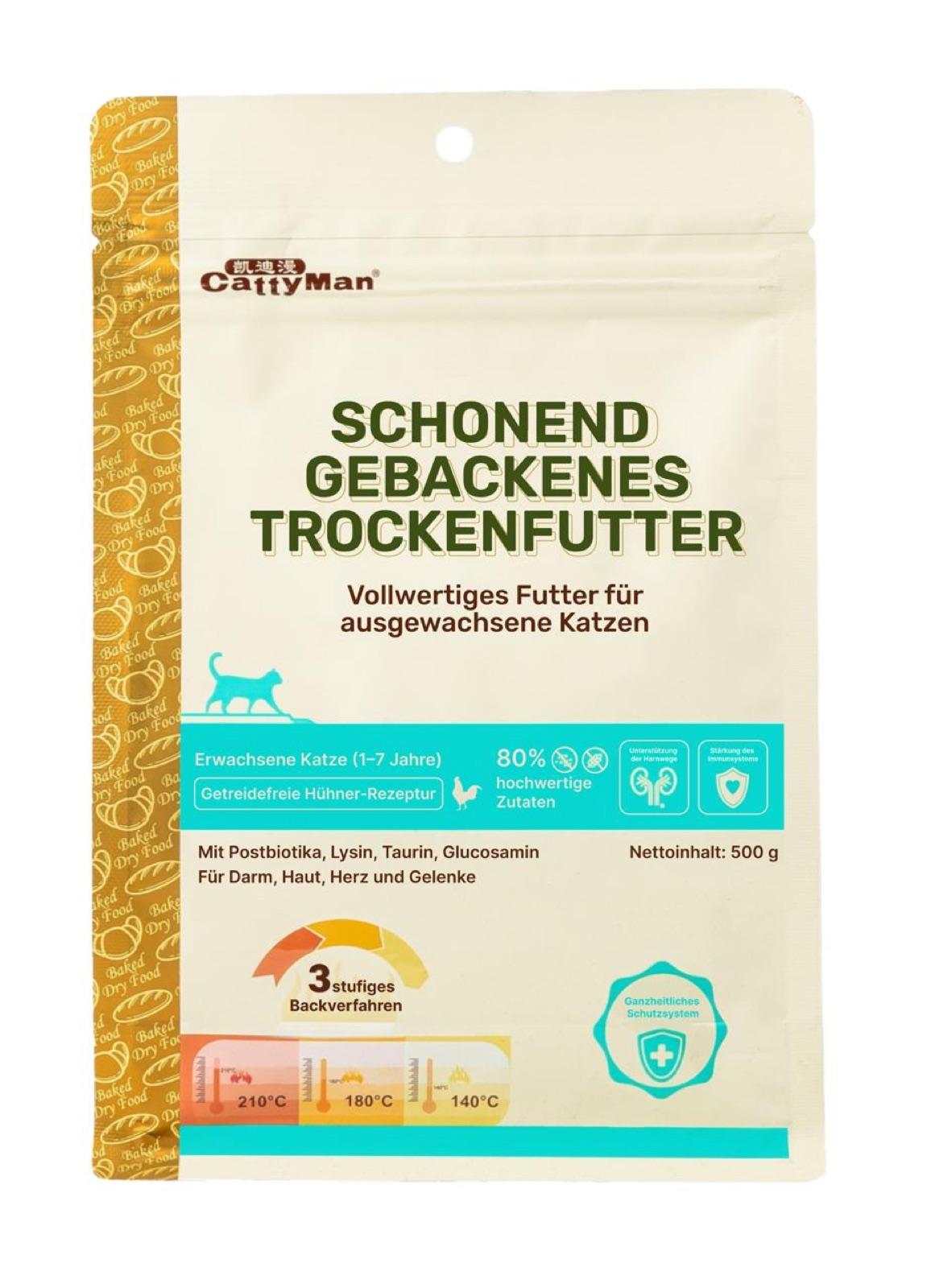
Oven-baked dry food for adult cats as the familiar or the new base
Combining wet and dry without overfeeding
Mixed feeding works well as long as both parts add up to one daily ration, not two. Because dry food contains several times more energy per gram than wet food, a few extra spoonfuls of kibble matter far more than an extra spoonful of wet food. Decide how the day is split, for example wet food in the morning and evening and a measured portion of dry food in a puzzle feeder, then reduce each food according to its share of the feeding guide on the pack. Weigh the dry food instead of estimating with a cup. Obesity is the most common nutrition-related problem in cats, so check body condition regularly and ask your vet what a healthy weight looks like for your cat. Treats and toppers should stay at no more than about ten percent of the diet.
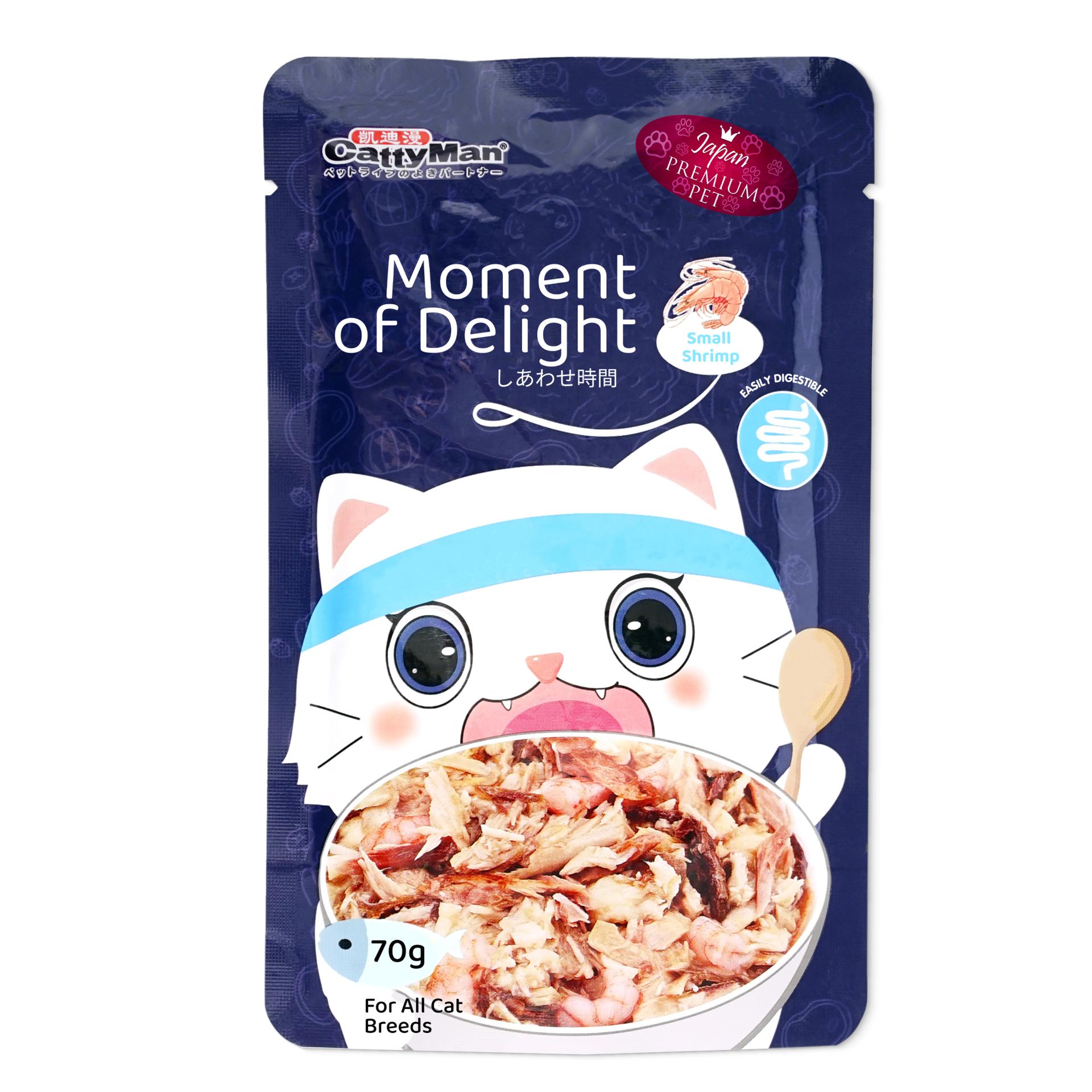
Wet food pouch with shrimp and bonito for the wet part of the menu
Water: the part of the menu people forget
Cats evolved to get much of their water from prey and tend to concentrate their urine rather than drink more. A cat on mostly dry food therefore needs good drinking opportunities: fresh water available at all times, in wide, shallow glass or ceramic bowls filled to the brim, placed away from the food bowl and the litter tray. Several bowls around the home help, with at least one per cat plus one in multi-cat homes; some cats prefer a fountain, introduced gradually. It is normal for a cat to drink less once it eats more wet food. A little extra water can be stirred into wet food, but too much may put the cat off, so keep changes small. Contact your vet if your cat suddenly drinks much more or much less than usual.
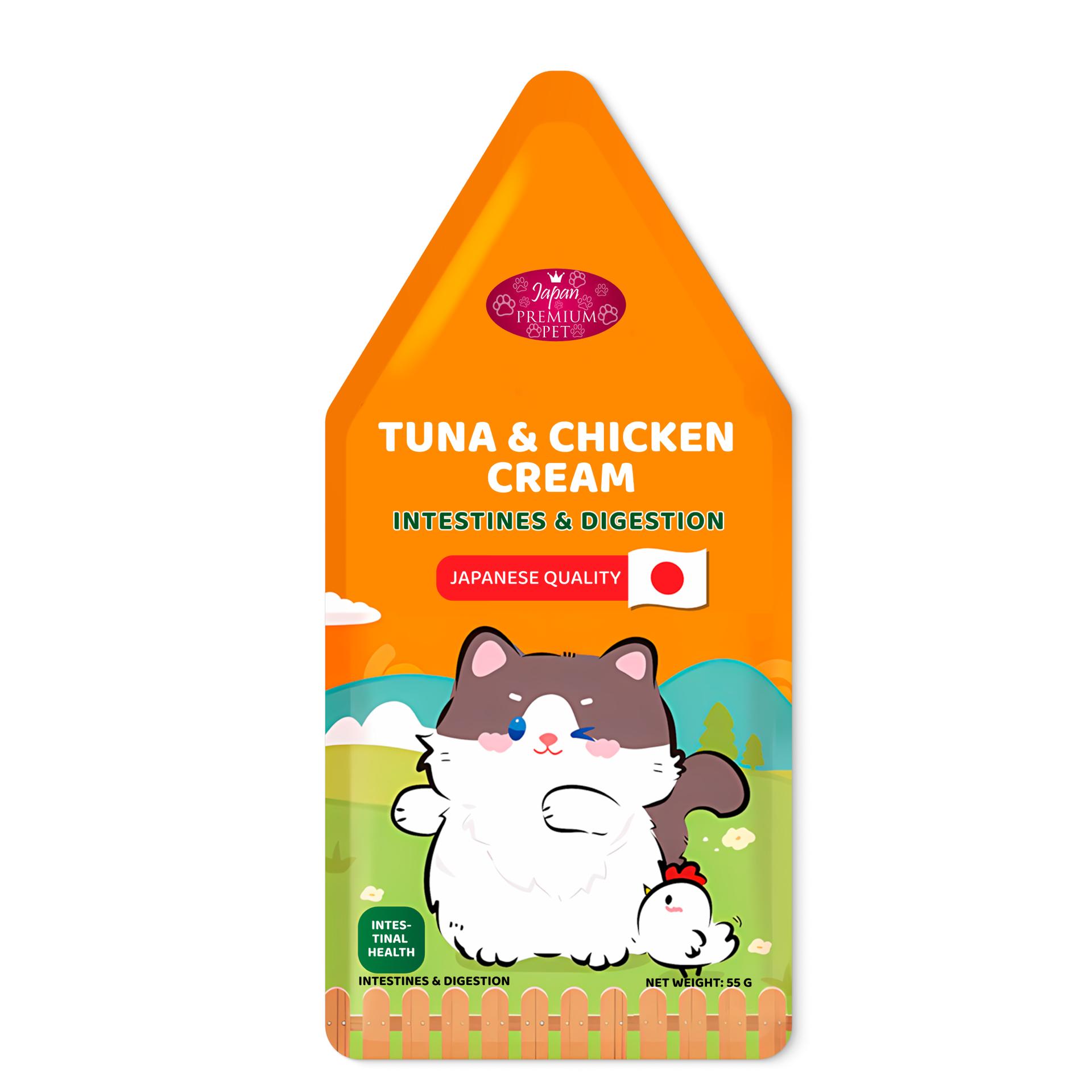
Soft cream mousse as a small topper for hesitant eaters
Never let a cat go without food
Helping a picky cat through the switch
- Keep the familiar food available alongside the mix, so the cat always has something it accepts.
- Serve food at room temperature rather than straight from the fridge.
- Use a wide, shallow dish so the whiskers do not touch the rim.
- Offer small, fresh portions and remove wet food that has not been eaten instead of leaving it out for hours.
- Stir a teaspoon of a soft topper into the new food and count it within the treat allowance.
- Feed in a quiet place away from other pets, the litter tray and busy doors.
Frequently asked questions
How long should a food change take?
Plan on roughly one to two weeks in small steps. Some cats accept a new food within a few days, while sensitive or picky cats need longer. The pace is right when appetite, litter-tray habits and behaviour stay normal.
Can I feed wet and dry food at the same time?
Yes. Most cat owners combine both. Serve them in separate bowls or at different meals and reduce each portion so that together they make one daily ration.
My cat only eats dry food. Should I force a switch to wet?
No. A complete dry food can be the whole diet. Offer wet food as an option next to the familiar food, make drinking easy and ask your vet whether more wet food would be especially useful for your cat.
Is it normal that my cat drinks less after switching to wet food?
Yes. Wet food contains a lot of water, so the cat needs less from the bowl. Keep fresh water available anyway and speak to your vet if drinking changes a lot.
When should I stop the switch and call the vet?
Go back to the familiar food and contact your vet promptly if your cat stops eating, vomits repeatedly, has ongoing diarrhoea or seems unusually quiet and withdrawn. Do not keep offering only the new food while the cat is eating nothing.
Sources
- International Cat Care — Should I feed my cat wet or dry food? — https://icatcare.org/articles/should-i-feed-my-cat-wet-or-dry-food
- International Cat Care — How to encourage your cat to drink — https://icatcare.org/articles/how-to-encourage-your-cat-to-drink
- Cornell Feline Health Center — Feeding Your Cat — https://www.vet.cornell.edu/departments-centers-and-institutes/cornell-feline-health-center/health-information/feline-health-topics/feeding-your-cat
- VCA Animal Hospitals — Hepatic Lipidosis in Cats (Fatty Liver Syndrome) — https://vcahospitals.com/know-your-pet/liver-disease-fatty-liver-syndrome-in-cats
- Tufts Cummings School of Veterinary Medicine, Petfoodology — Hepatic lipidosis in cats — https://sites.tufts.edu/petfoodology/2020/11/16/hepatic-lipidosis-in-cats/
- University of Illinois College of Veterinary Medicine — Hepatic lipidosis: when cats don’t eat — https://vetmed.illinois.edu/pet-health-columns/hepatic-lipidosis-when-cats-dont-eat/
- Japan Premium Pet cat nutrition range — https://japanpremium.eu/de/categories/cat-nutrition
Explore the nutrition range
Compare the Japan Premium Pet foods and treats selected for this guide.
View products