Two months are enough to make a real difference
Many dogs are afraid of fireworks, by some estimates up to half of them, and the fear often grows from year to year if nothing is done. The end of October is a good moment to start: about two months remain until New Year’s Eve. The methods with the best support are gradual sound training with recordings, pairing every bang with something your dog loves, a safe den that your dog already knows, a clear plan for the night itself and a timely vet appointment if your dog panics, because medication needs to be planned and tested in advance. Comforting your frightened dog is allowed: current advice is to give calm reassurance if your dog seeks it, because ignoring a fearful dog does not help.
Your plan until New Year’s Eve
| When | What to do |
|---|---|
| Now, eight to ten weeks before | Note how your dog reacts to bangs, book a vet appointment if it panicked last year, start sound training at a very low volume |
| Six to four weeks before | Increase the volume only in tiny steps while your dog stays relaxed, pair sounds with treats or play, set up the den and use it daily |
| Three to one weeks before | Rehearse the evening routine with an earlier walk, earlier meal and a chew in the den; check fences, harness fit and microchip registration |
| 31 December | Last walk in daylight on harness and lead, close curtains, lights and music on, stay at home, give prescribed medication on time |
| The days after | Keep your dog on the lead because of leftover bangs, note what helped and keep training |
How sound training works
Sound training combines two steps. In desensitisation, you play firework recordings so quietly that your dog notices them but stays relaxed, and raise the volume only in very small steps over many sessions. In counter-conditioning, something your dog loves, such as a special treat or a favourite game, follows the sound every time, so that bangs start to predict good things. If your dog stops eating, freezes, pants or tries to leave, you have gone too fast and should return to a lower volume. Real bangs before New Year can be used too: give a high-value treat immediately after each unexpected bang. In a survey by the University of Bern, owners rated this kind of ad hoc counter-conditioning as the most successful training method, at about 71 percent, followed by relaxation training at about 69 percent.
Duck liver and vegetable mousse as a high-value reward during sound training

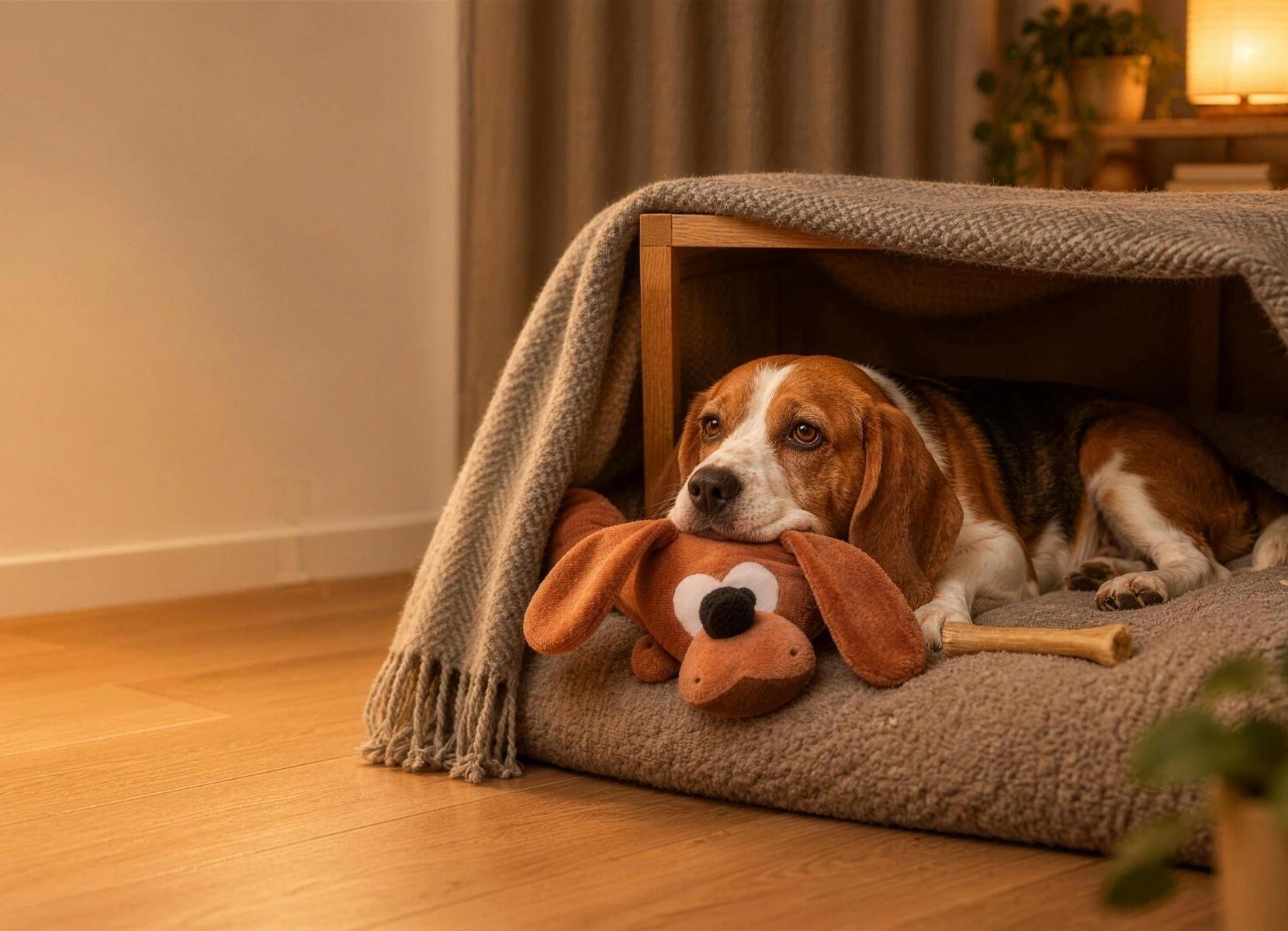
A den your dog already loves
A safe place works best if your dog knows and likes it long before the first rockets. Choose a quiet corner, ideally an inner room without large windows, and build a snug den, for example a crate or a small table covered with blankets, with a thick cushion inside, a worn T-shirt that smells of you and something to chew. Practise from now on: feed treats there, offer a long-lasting chew in the den and let your dog rest there without being disturbed. On the night itself, close windows, shutters and curtains, switch the lights on and play music or the TV at a moderate volume to mask the bangs. Let your dog choose: if it wants to hide, let it stay where it feels safe and never pull it out.
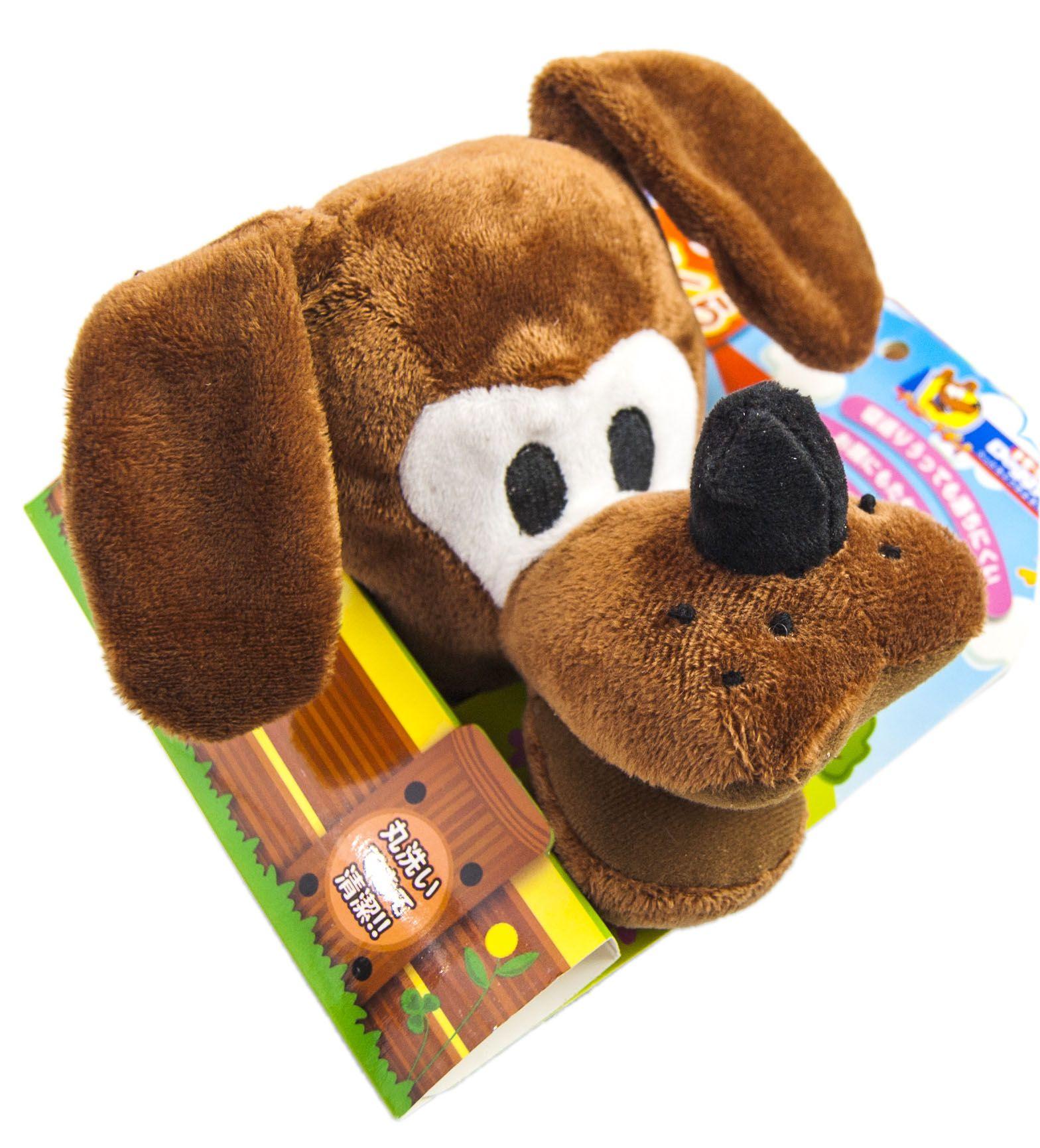
Washable dog-shaped plush pillow as a familiar comfort item in the den
On New Year’s Eve itself
Plan the day around your dog. Take a long walk in daylight and keep your dog on a well-fitting harness and lead, because frightened dogs can slip out of collars and bolt. Feed the main meal early so that your dog has time to eat and go to the toilet before dark. Stay at home with your dog or arrange for a person it knows well to be there. If your dog seeks your closeness, comfort it calmly; if it wants to play or chew, offer a toy or chew; if it prefers to hide, leave it alone. Stay relaxed yourself and never scold your dog for fearful behaviour or accidents. Give any medication prescribed by your vet exactly at the time advised, as many need to be given before the fireworks start. Make sure the microchip is registered with your current phone number, for example with TASSO or FINDEFIX in Germany.
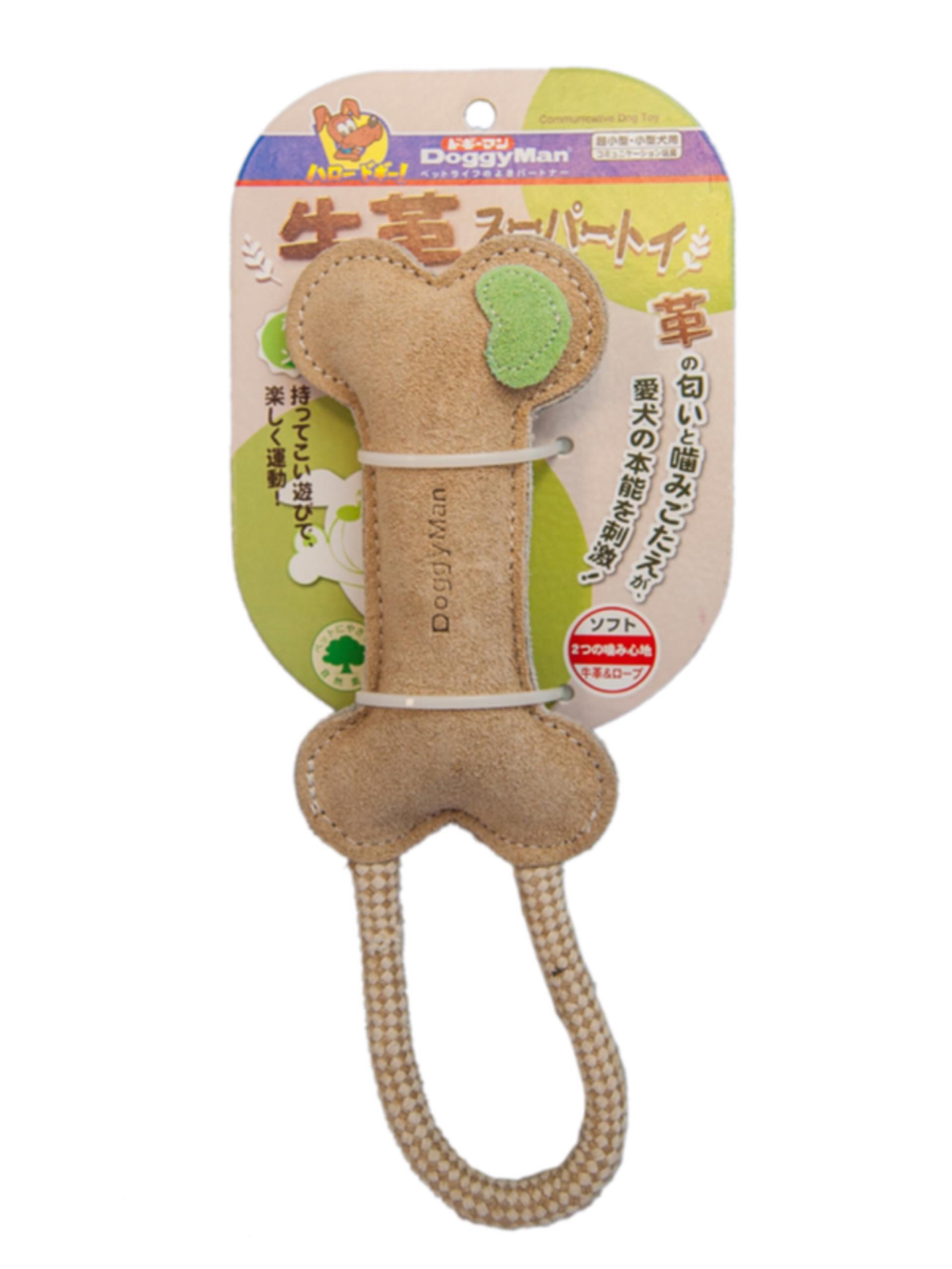
Leather chew bone for calm chewing in the den
Panic is a case for the vet, now rather than in December
Checklist for 31 December
- Take the last long walk in daylight, on harness and lead.
- Feed the main meal early in the afternoon.
- Close windows, shutters and curtains and switch the lights on.
- Play music or the TV at a moderate volume.
- Prepare the den with water, a cushion, a chew and a worn T-shirt.
- Stay at home with your dog or arrange for a familiar person.
- Give prescribed medication at the time your vet advised.
- Check that the microchip is registered and the tag shows your phone number.
Frequently asked questions
Should I comfort my dog during fireworks?
Yes, if your dog seeks it. Calm stroking and talking are fine, despite old advice to the contrary, and ignoring a frightened dog does not help. Stay relaxed and let your dog decide whether it wants to be close to you or to hide.
Is it too late to start training in December?
Sound training needs several weeks, so the earlier the better. In December, focus on the den, the evening routine, treats after every bang and a vet appointment if your dog panics.
Do calming collars, pheromones or herbal products help?
In the University of Bern survey, owners rated these alternative methods as having no effect on how the fear developed. Prescription medication, counter-conditioning and relaxation training were rated much better. Talk to your vet before buying any calming product.
Should I take my dog somewhere quieter for New Year?
If your dog travels calmly, a quieter place in the country can help, but fireworks happen there too. Take the den items with you and keep the same routine.
My puppy is not afraid. Do I still need to prepare?
Yes. Introducing a young dog to everyday noises and recordings in a positive way, with treats and play, is the best way to prevent fear developing later. Do it gradually and stop if your puppy seems worried.
Sources
- Dogs Trust — Fireworks and dogs — https://www.dogstrust.org.uk/dog-advice/life-with-your-dog/seasonal/fireworks
- Dogs Trust — Preparing for fireworks — https://www.dogstrust.org.uk/about-us/what-we-do/stories/preparing-for-fireworks
- American Veterinary Society of Animal Behavior — Survey shows which treatments are effective for fireworks fears in dogs — https://avsab.org/survey-shows-which-treatments-are-effective-for-fireworks-fears-in-dogs/
- Riemer, Journal of Veterinary Behavior (2020) — Effectiveness of treatments for firework fears in dogs (University of Bern repository) — https://boris.unibe.ch/145121
- RSPCA — Fireworks — https://www.rspca.org.uk/adviceandwelfare/pets/general/fireworks
- Japan Premium Pet dog toys — https://japanpremium.eu/de/categories/dog-toys
Find toys and chews for calm evenings
Compare the Japan Premium Pet toys, chews and treats selected for this guide.
View products