Pads help, but routine is what house-trains a puppy
A puppy becomes house-trained through a predictable routine, not through the training pad alone. Take your puppy to one fixed toilet spot straight after waking, after every meal or big drink, during and after play and before bed, and in between every hour or two while it is awake, more often if it is very young. Reward it calmly the moment it finishes. Training pads bridge the gap where the puppy cannot get outside quickly: in a flat, at night or before the vet agrees to walks in busy areas. Many puppies start asking to go out at around four months, and most are reliably house-trained by about six months, although every puppy has its own pace.
When your puppy needs the toilet
| Moment | What to do | Why |
|---|---|---|
| After waking up | Take the puppy to the pad or outside straight away | The bladder fills during sleep; waking up is the most reliable trigger |
| After eating or drinking | Go to the toilet spot within a few minutes | Eating stimulates the gut, and a big drink fills the bladder quickly |
| During and after play | During lively play, take a short toilet break about every half hour | Excitement and movement often trigger the urge to urinate |
| Before bed and at night | Last trip before sleep; very young puppies often need a night-time break | Many puppies cannot hold on through the whole night at first |
| Sniffing, circling, restlessness | Interrupt calmly and go to the toilet spot | These are the typical signs that a puppy is looking for a place |
Where the pad belongs
Choose one place and keep it. The pad belongs on an easy-to-clean floor near the area where the puppy spends its day, away from its bed, food and water. Do not line the whole crate with pads, because that blurs the difference between resting and toileting. In a play pen, set up a resting area at one end and the pad at the other. Keep the pad in the same position and replace it once it is soiled, but do not move it around the home. A toilet-training spray adds a scent cue that helps the puppy find the spot again. Use it only where you want the puppy to go: on the pad or on the chosen patch outside, never on a spot where an accident happened.
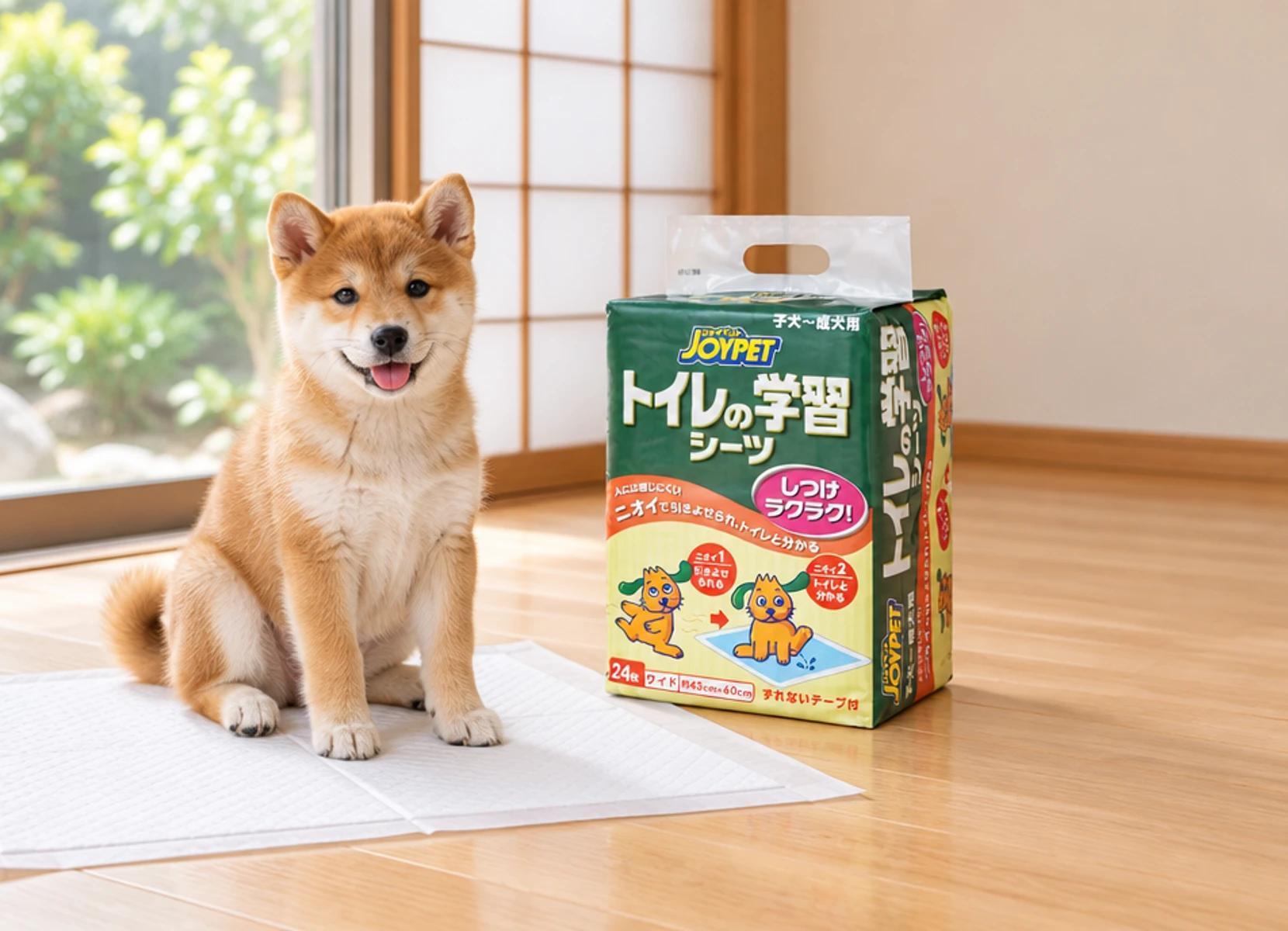
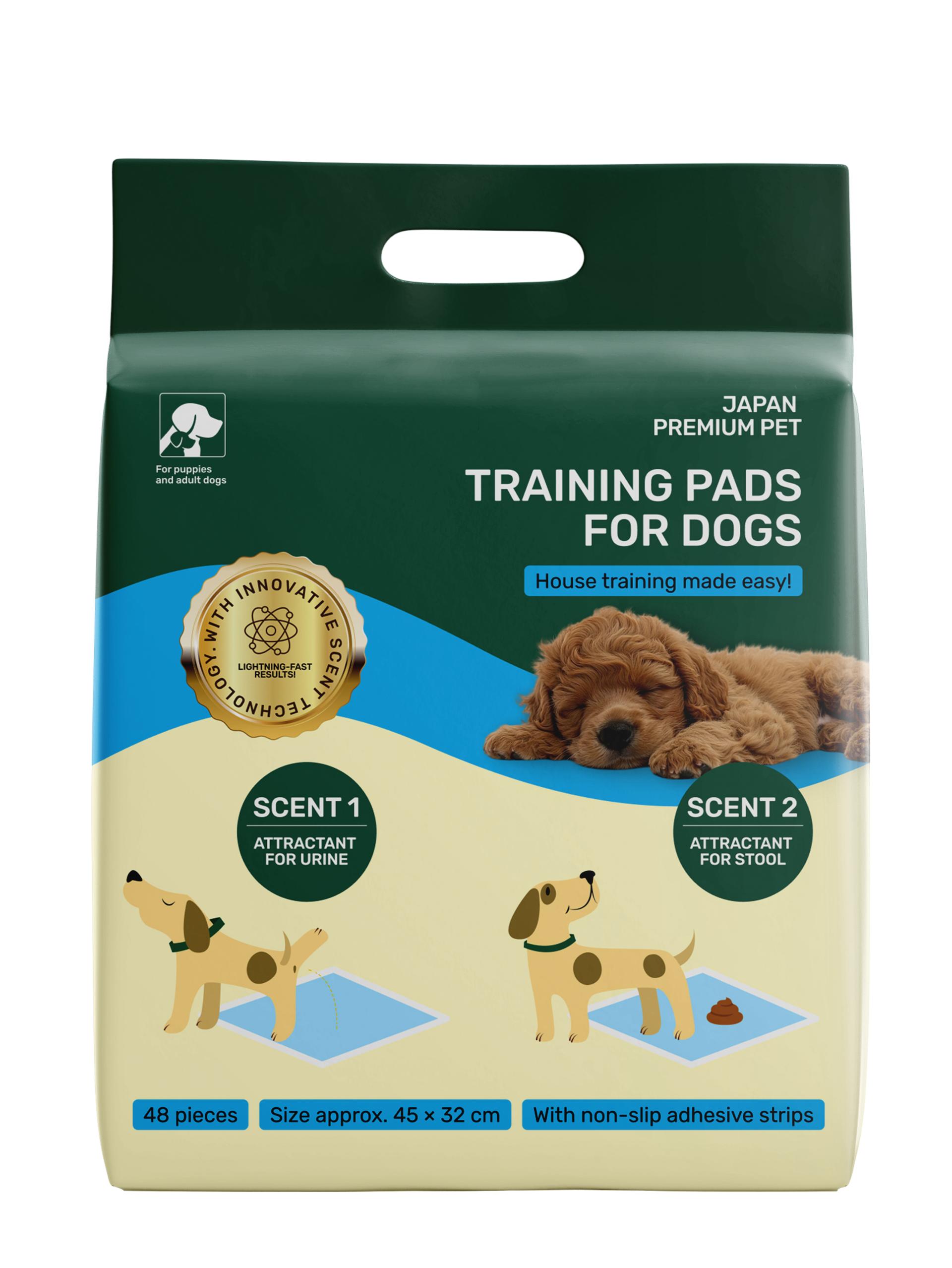
Wide training mats with a built-in scent cue for puppies
Praise within seconds, never punishment
Praise and a small treat work best when they come within a few seconds, while the puppy is still at the spot. Punishing an accident afterwards does not teach where to go; it teaches the puppy to hide from you when it needs to relieve itself, which slows everything down. Never rub its nose in it. If you catch the puppy in the act, interrupt calmly, take it to the pad or outside and reward it when it finishes there. Between toilet trips, keep the puppy under supervision or in a safe, puppy-proof area, so there are fewer chances for mistakes. Writing down toilet times for a few days often reveals a pattern that makes the schedule easier to predict.
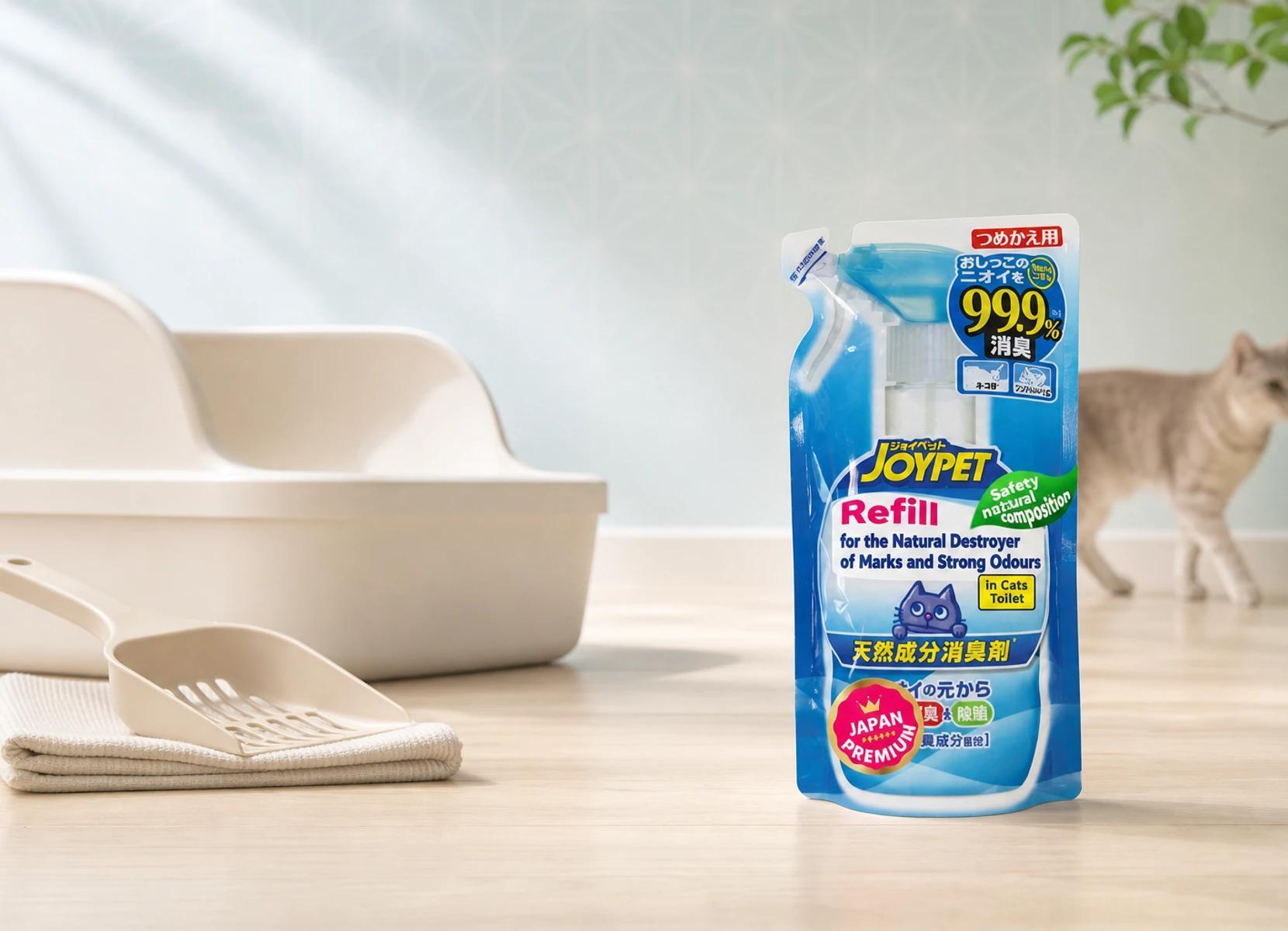
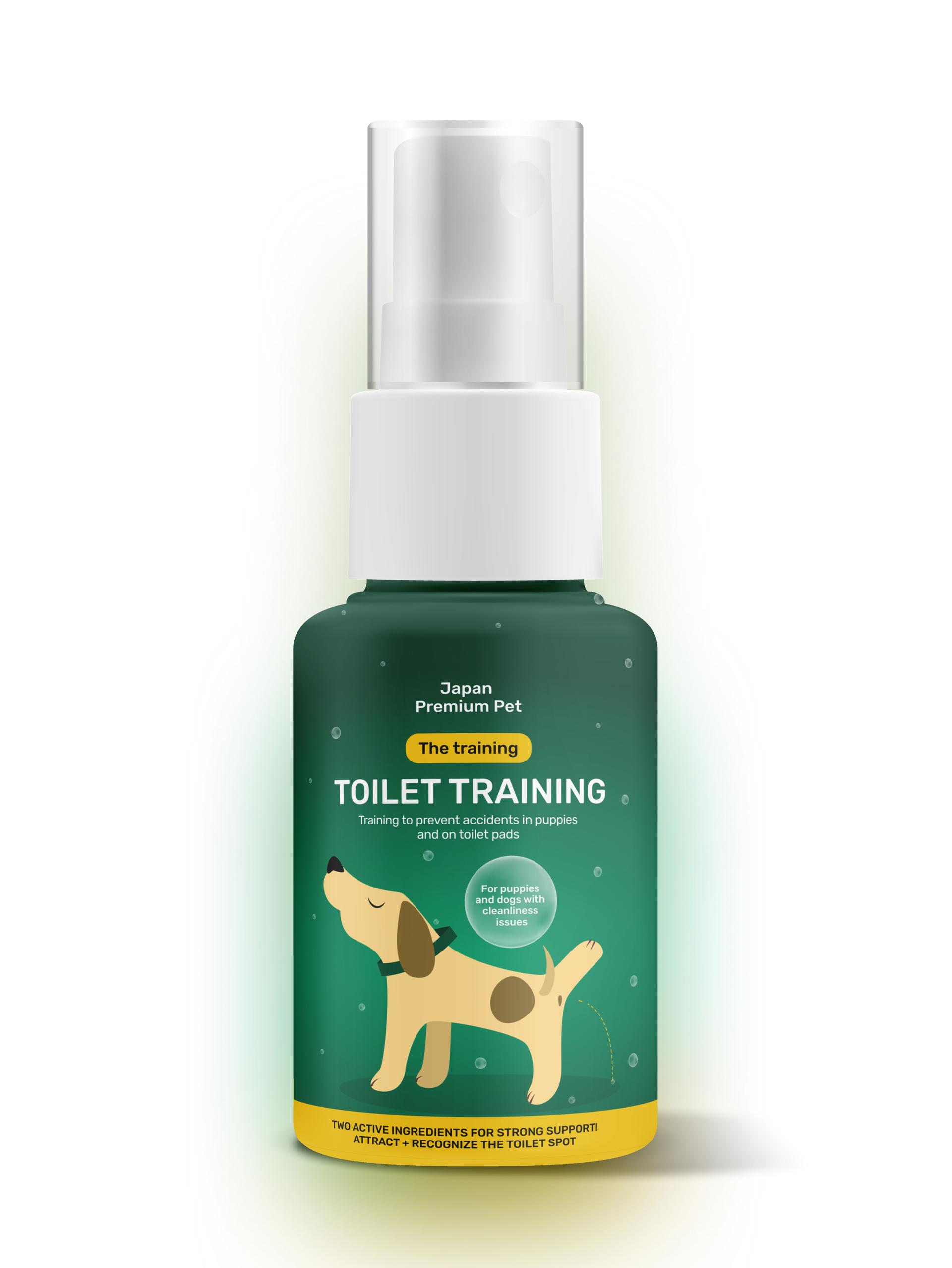
Toilet-training spray for the pad or the chosen outdoor spot
Moving the toilet outdoors, step by step
Pads can make the later switch outdoors take a little longer, so plan the move early. Once the puppy uses the pad reliably and can go outside, place a paper towel with a little of its urine at the outdoor toilet spot, so the familiar scent is already there. Over several days, move the indoor pad closer to the door, then take the puppy outside at all the usual moments and reward it generously on the spot. Use the same door and the same patch of ground every time. Before the vaccination course is complete, ask your vet which outdoor areas are sensible: places used by many dogs of unknown vaccination status are best avoided, while calm, safe socialisation should not be postponed.
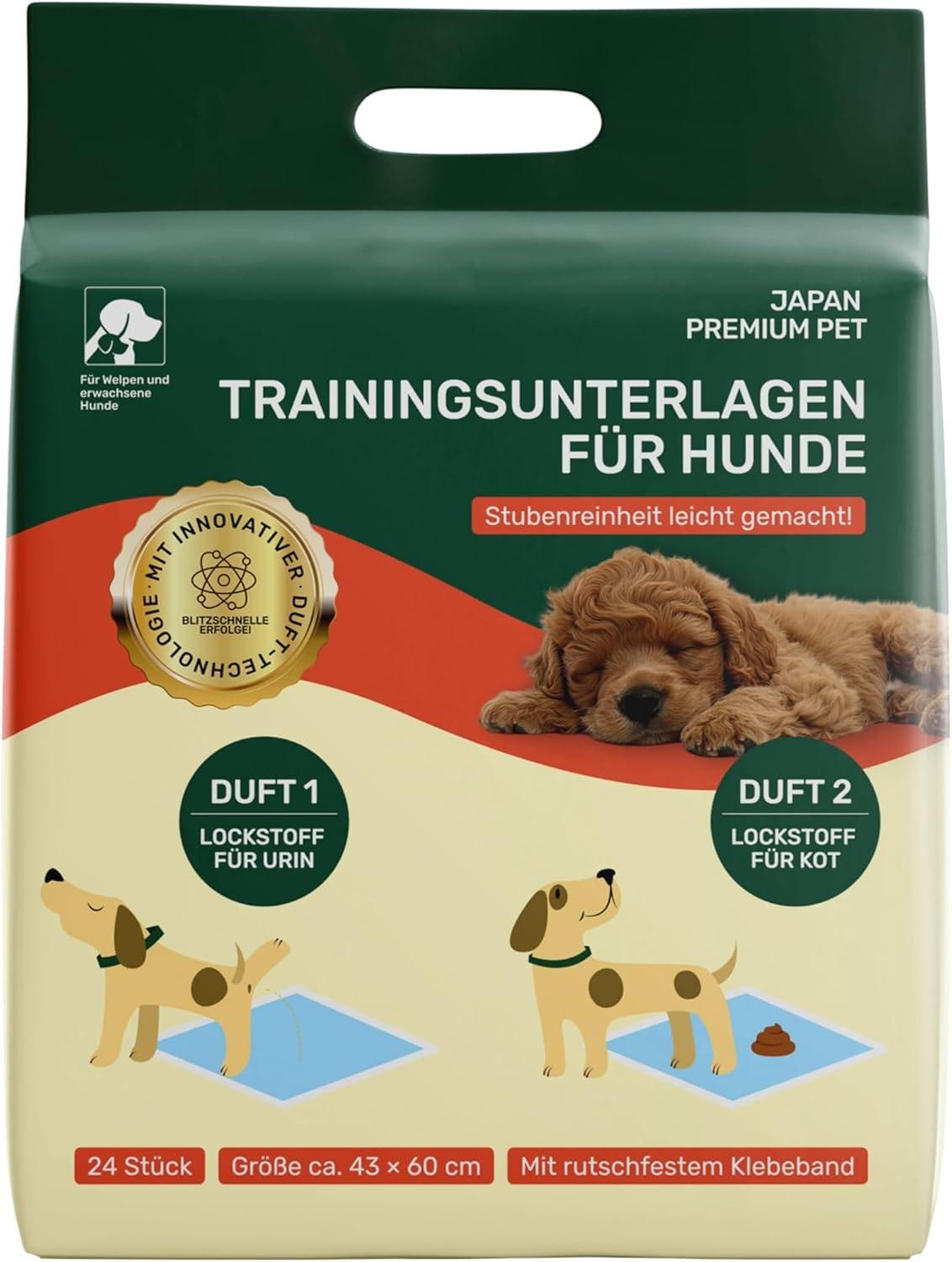
Thick deodorizing pads with citric acid for crates, nights and travel
Japan Premium Pet
Premium deodorizing pads for dogs and cats with citric acid, 72 pcs., 44 × 32 cm.
View productWhen accidents are a reason to see the vet
Cleaning up an accident in five steps
- Stay calm and take the puppy to its toilet spot first.
- Blot urine with paper towels and pick up any solids.
- Clean with an enzymatic pet-odour cleaner or a warm solution of biological washing powder (one part powder to nine parts water), testing on a hidden area first, then rinse with water.
- Avoid ammonia-based and strongly perfumed cleaners: ammonia smells like urine and can draw the puppy back to the same spot.
- Let the area dry and keep the puppy away until no odour remains.
Frequently asked questions
How long does it take to house-train a puppy?
It depends on age, routine and consistency. Many puppies begin to ask to go out at around four months, and most are reliably house-trained by about six months. Occasional accidents after that are common, especially during excitement or changes in routine.
How long can a puppy hold its bladder?
A common rule of thumb is about one hour per month of age, so roughly three hours at three months. Treat it as an upper guide only: after sleep, play or a meal the puppy needs to go much sooner, and it should never be left alone for longer than it can manage.
Should I use pads if my dog will later toilet outdoors?
Pads are practical when outdoor access is limited, but they can make the switch outdoors take longer. If outdoors is the goal, go outside whenever you can and keep pads as a back-up for nights, bad weather or longer absences.
Do I need a toilet-training spray?
It is not essential, but a scent cue on the pad or the outdoor spot can make the chosen place easier to find in the first weeks. Timing, supervision and rewards still do most of the work.
My puppy was nearly house-trained and now has accidents again. Why?
Typical reasons are too much freedom too soon, a change in routine, excitement or leftover odour at an old spot. Widen the puppy’s freedom gradually, only after several weeks without mistakes. If accidents start suddenly or come with signs such as straining or drinking more, see your vet first.
Sources
- VCA Animal Hospitals — Housetraining for Puppies and Dogs — https://vcahospitals.com/know-your-pet/house-training-your-puppy
- VCA Animal Hospitals — How to Potty Train Your Puppy — https://vcahospitals.com/pediatric/puppy/behavior-training/how-to-potty-train-your-puppy
- RSPCA — How to toilet train your puppy or dog — https://www.rspca.org.uk/adviceandwelfare/pets/dogs/training/toilettraining
- Humane World for Animals — How to potty train your dog or puppy — https://www.humaneworld.org/en/resources/how-potty-train-your-dog-or-puppy
- American Veterinary Society of Animal Behavior — Position Statement on Puppy Socialization — https://avsab.org/wp-content/uploads/2018/03/Puppy_Socialization_Position_Statement_Download_-_10-3-14.pdf
- Japan Premium Pet dog behaviour and training range — https://japanpremium.eu/de/categories/dog-behaviour
Find the right training aids
Compare the Japan Premium Pet training pads and sprays selected for this routine.
View products