The Invisible Clock Is Ticking
From the moment your cat uses the litter box, a biological countdown begins. In the first 2-4 hours, urease-positive bacteria multiply exponentially, converting urea in the urine to ammonia. After 6 hours, the bacterial population has doubled. After 12 hours, ammonia concentration near the litter box becomes noticeable.
After 24 hours without cleaning, the litter box becomes a bioreactor. Bacterial colonies form biofilms that are difficult to remove even with later cleaning. Ammonia levels in an enclosed room can reach up to 50 ppm — far above what is considered safe.
The Role of Litter in Bacterial Control
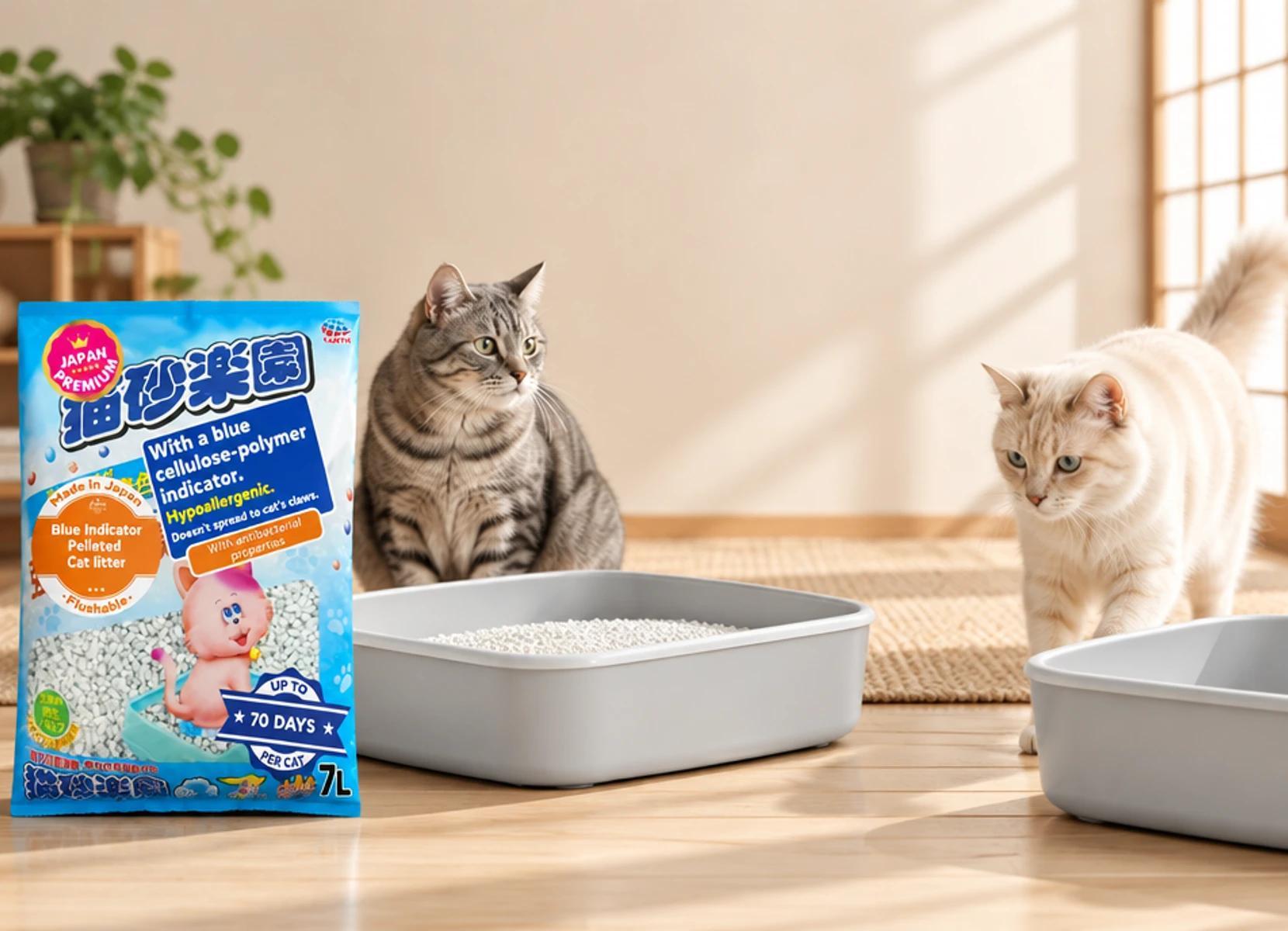
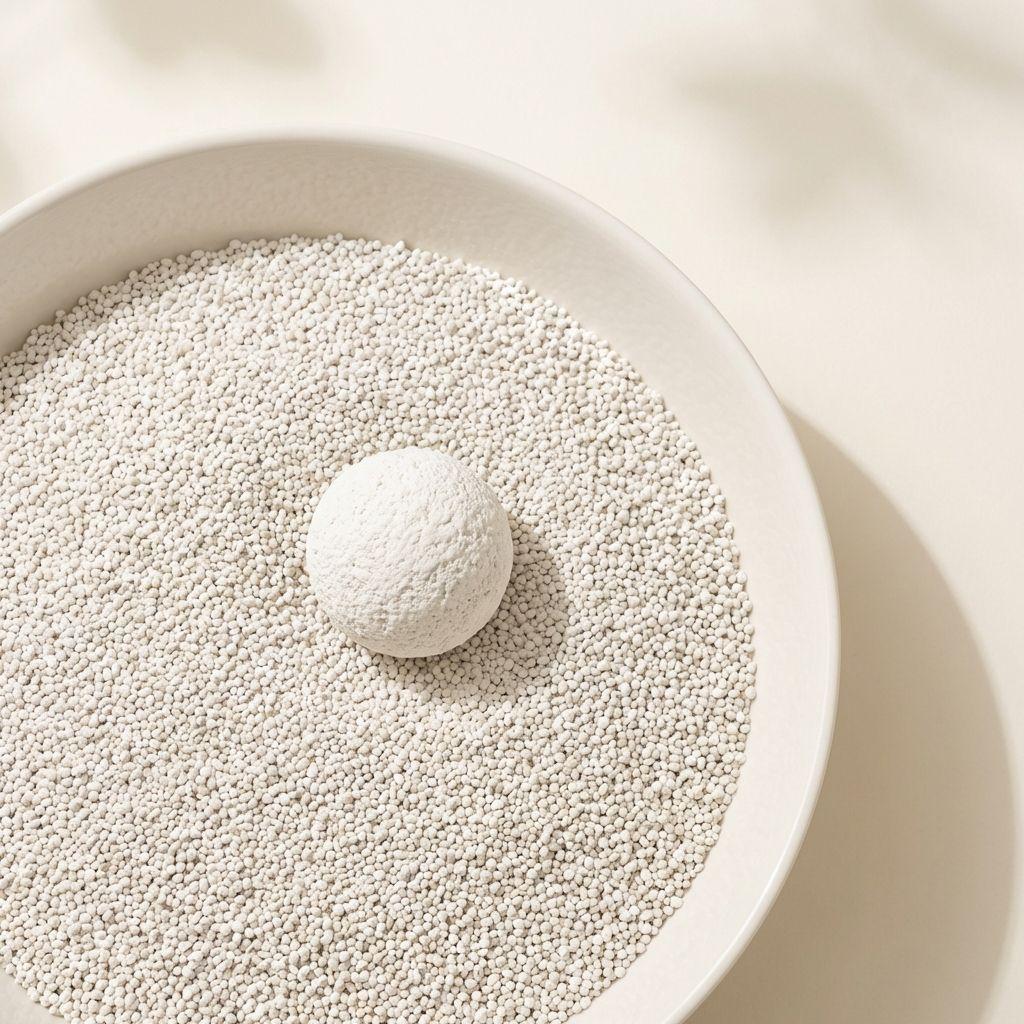
Not all cat litter is created equal. Conventional litters may absorb moisture but fail to effectively encapsulate bacteria. Japanese premium bentonite-based litter with ultra-fast clumping works differently — urine is sealed within 5 seconds in a dense, solid clump, physically isolating bacteria and reducing ammonia development by up to 95%.
Prevention means not treating the problem when it occurs — but creating conditions where it never arises in the first place.
Important