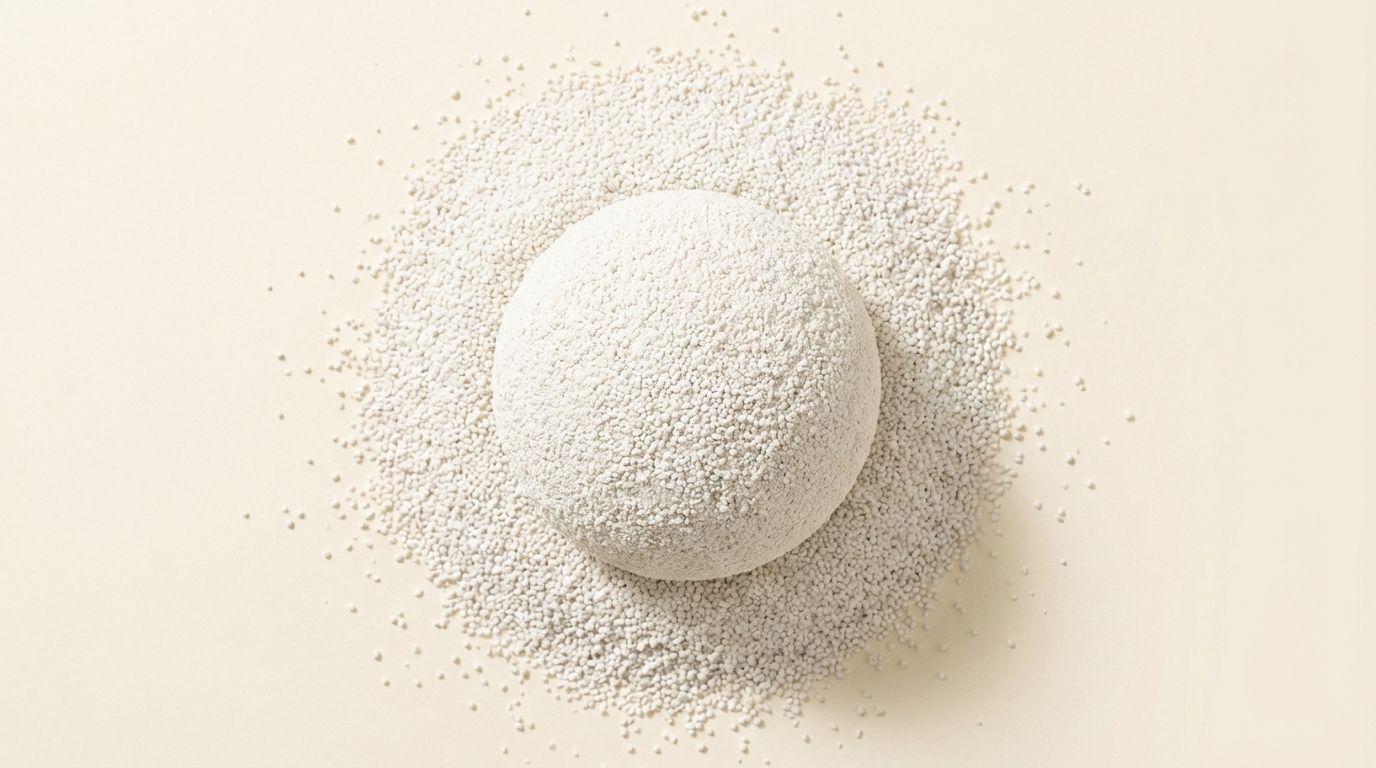
Why the Litter Box Is Central to Health
The litter box is far more than just a functional item in your household. It is the most critical intersection between your cat's hygiene and your entire family's health. Every gram of contaminated cat litter can harbor millions of pathogenic bacteria — including E. coli, Salmonella, and the dreaded Toxoplasma gondii, which poses a serious risk especially for pregnant women and immunocompromised individuals.
The Japanese philosophy of pet care views cleanliness not as a chore, but as a fundamental principle of coexistence. In the concept of "Seiketsu" (清潔) — one of the pillars of the Japanese 5S method — systematic cleanliness is the prerequisite for health and harmony.
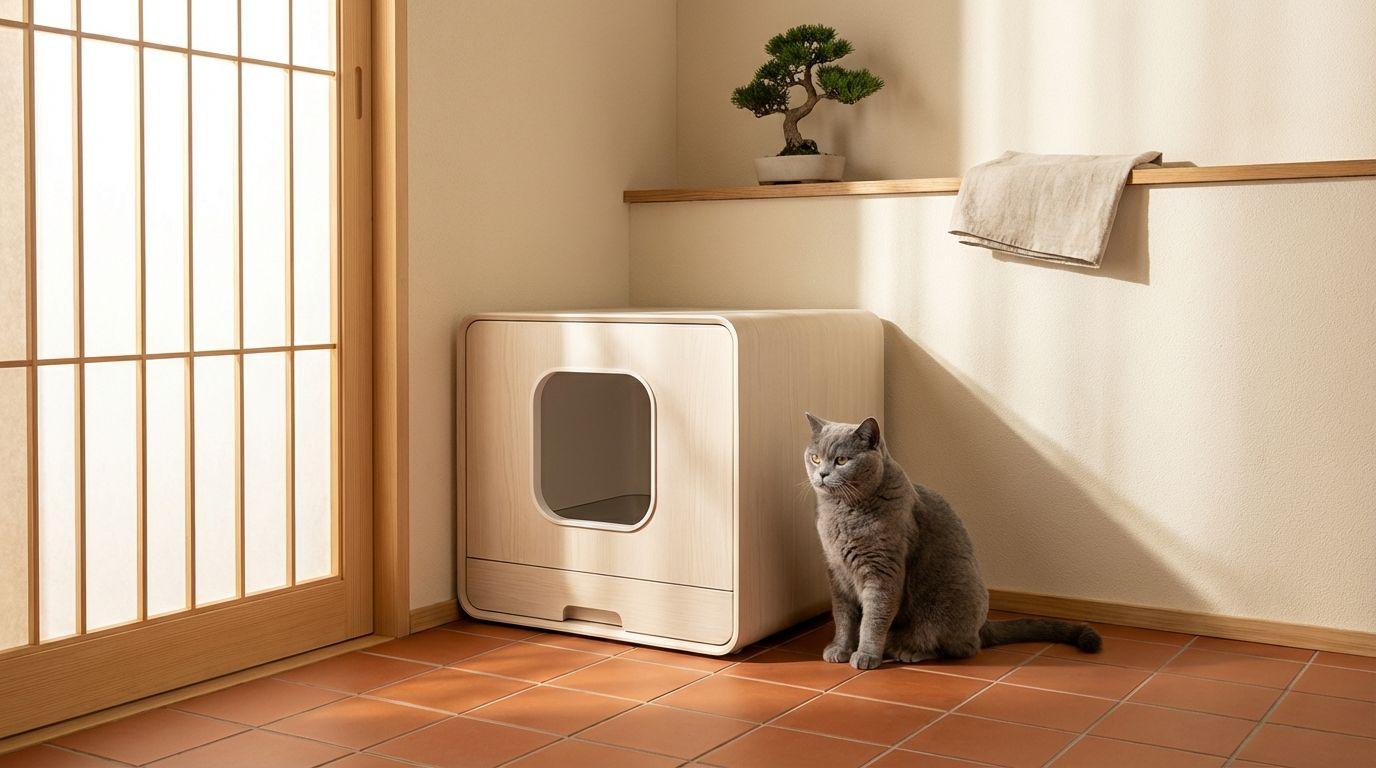
Ammonia: The Invisible Enemy
Ammonia is produced through the bacterial breakdown of urea in cat urine. Within just a few hours, concentrations in a poorly maintained litter box can reach levels that pose health concerns. Chronic ammonia exposure irritates the respiratory system of both humans and animals, potentially causing headaches, mucous membrane irritation, and asthma attacks in sensitive individuals.
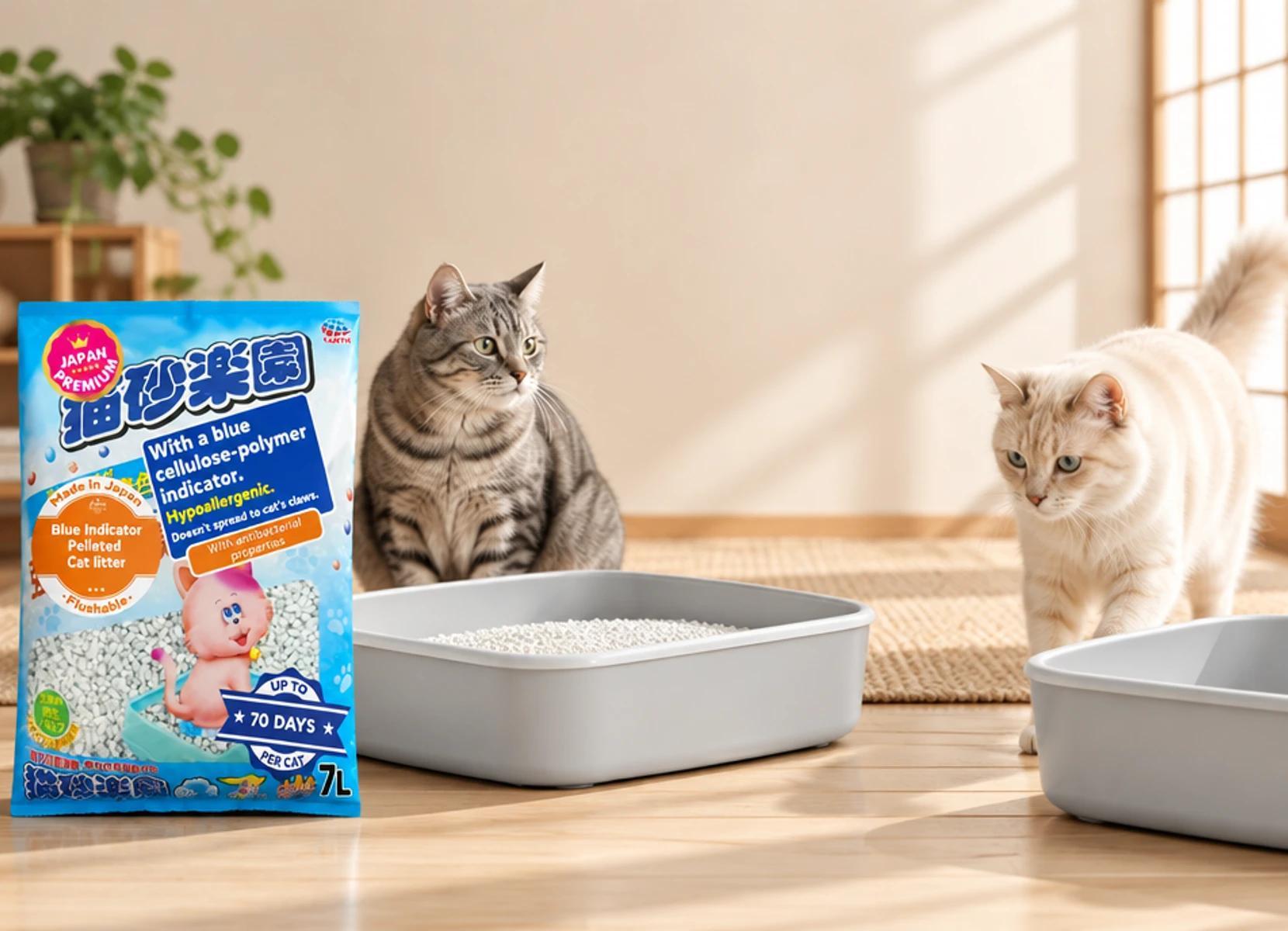
High-quality Japanese cat litter with instant clumping encapsulates urine within seconds, preventing the enzymatic conversion to ammonia. This is not a marketing claim — it is measurable chemistry.
Health Risks of a Neglected Litter Box
- Toxoplasmosis transmission to humans (especially dangerous for pregnant women)
- Ammonia contamination of indoor air with respiratory irritation
- Spread of E. coli and Salmonella via paws and fur
- Skin infections through contact with contaminated surfaces
- Urinary tract infections in cats from unhygienic conditions
Expert Tip