
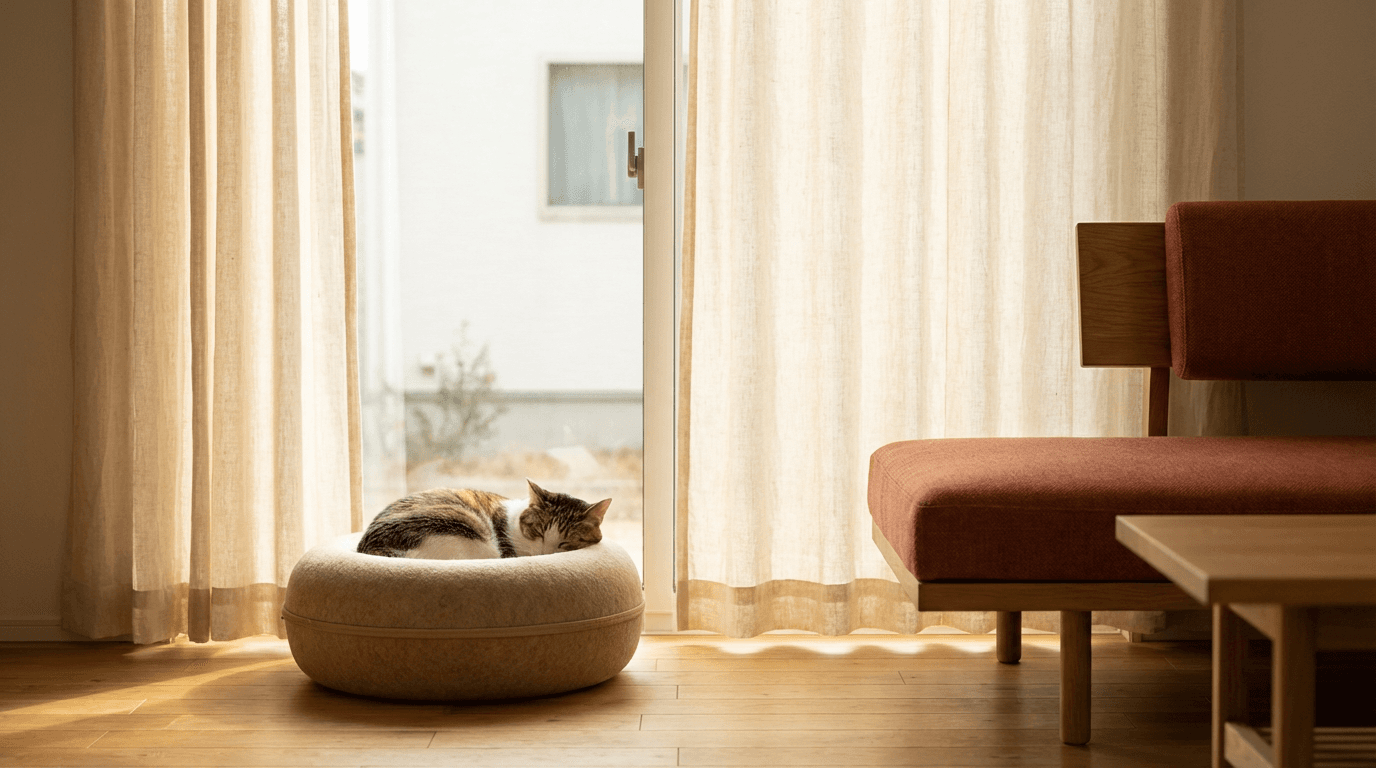
The Invisible Burden: Chronic Stress in Cats
Cats are masters of disguise — including when it comes to stress. Unlike dogs who openly show their emotions, cats instinctively hide discomfort. This is an evolutionary legacy: in the wild, a visibly weakened animal would become a target for predators.
Chronic stress in cats manifests subtly: altered eating behavior, excessive grooming leading to bald patches, withdrawal, aggression toward other pets, or avoidance of the litter box. Elevated cortisol levels over extended periods weaken the immune system and can lead to feline idiopathic cystitis (FIC).
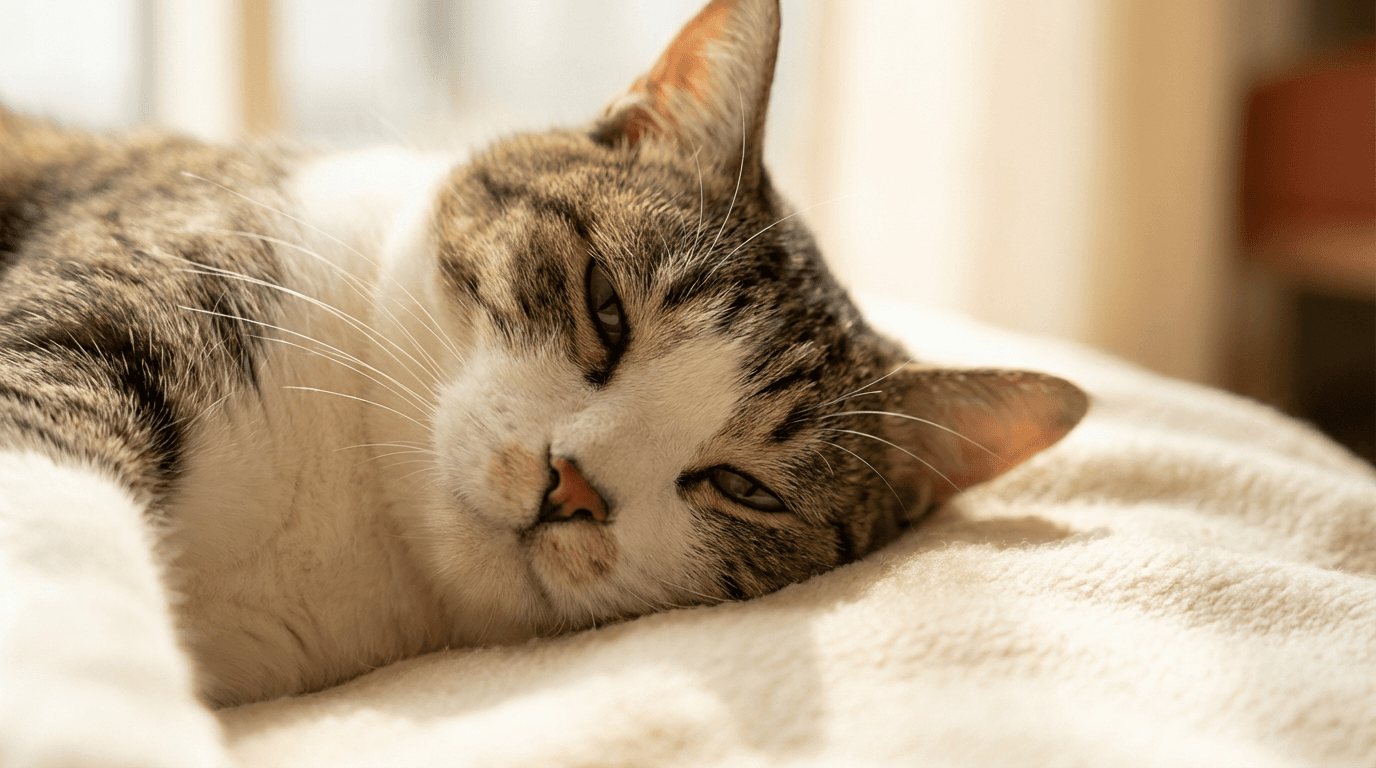
Natural Stress Correction: The Japanese Way
The Japanese philosophy of pet care does not suppress symptoms but restores natural balance through three pillars:
1. Environmental security: A clean, odor-neutral litter box assures the cat that their territory is under control.
2. Sensory stimulation: Matatabi activates the reward system and demonstrably lowers cortisol levels.
3. Routine stability: Regular care rituals like brushing and play sessions create predictability — the most important stress buffer for cats.
Signs of Chronic Stress in Cats
- Excessive grooming or hair loss
- Changed eating or drinking behavior
- Litter box avoidance
- Aggression or excessive withdrawal
- Frequent bladder infections
- Digestive issues without apparent cause
At-Home Stress Test